
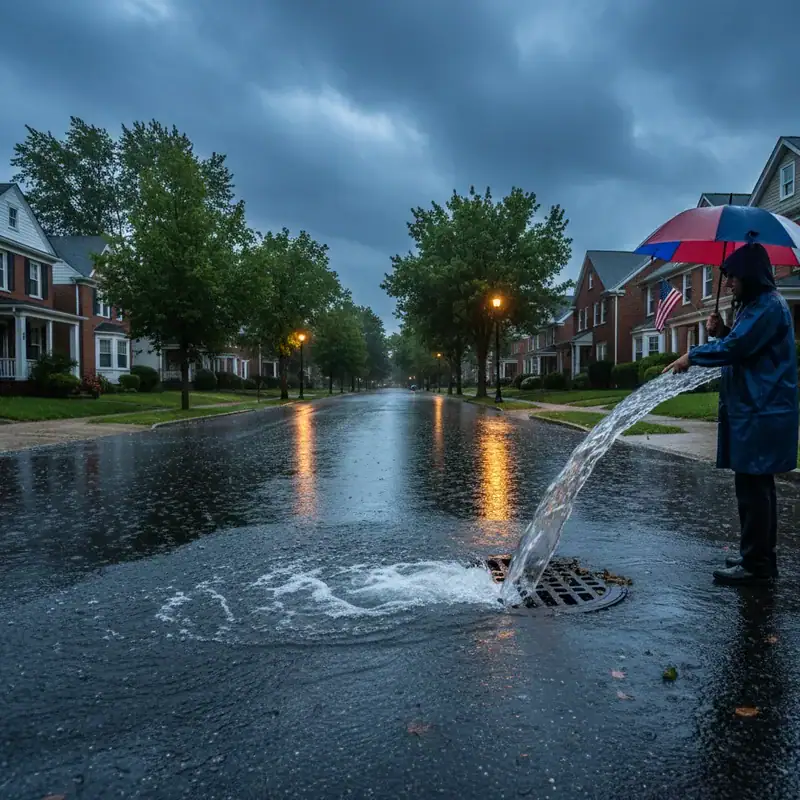
When heavy rainfall hits Yonkers, it doesn't just create puddles: it can turn your peaceful home into a flood zone. With climate patterns bringing increasingly intense storms to Westchester County, residents across neighborhoods like Greystone are discovering that their drainage systems simply can't keep up. If you're tired of watching water creep toward your front door every time the skies open up, you're not alone, and more importantly, you're not powerless.
Why Yonkers Faces Unique Flooding Challenges
Yonkers sits in a perfect storm of geographic and infrastructure factors that make flooding a recurring nightmare. The city's aging sewer system, much of it built decades ago, wasn't designed for today's extreme weather patterns. When record-breaking rainfall overwhelms these combined sewer systems, the result is what experts call Combined Sewer Overflows (CSOs): essentially, the system can't handle both stormwater and sewage, leading to backups and flooding.
The Greystone neighborhood has become a poster child for these challenges, with residents regularly reporting dangerous flooding in streets and homes. But this isn't just a Greystone problem: it's a city-wide vulnerability that affects homeowners from the waterfront to the hills.

Understanding Your Home's Flood Risk
Your drainage system is only as strong as its weakest link, and during heavy rainfall, multiple failure points can converge into a perfect disaster. Here's what typically happens when Yonkers gets hit with intense precipitation:
Overwhelmed Storm Drains: Street-level drainage can't process the volume, causing water to back up and seek the path of least resistance: often toward your foundation.
Basement Vulnerabilities: Lower-level drains become exit points for rising water rather than entry points for disposal.
Foundation Drainage Failure: French drains and foundation systems that work fine in normal conditions become overwhelmed, allowing water to penetrate your home's envelope.
Sewer Line Backups: When the municipal system reaches capacity, sewage can actually flow backward into your home's lowest drains.
Immediate Steps to Protect Your Property
Don't wait for the next weather emergency to take action. These proactive measures can mean the difference between minor inconvenience and major damage:
Clear Your Gutters and Downspouts: Clogged drainage systems are flooding disasters waiting to happen. Ensure downspouts direct water at least six feet away from your foundation.
Install Backup Prevention: A backwater valve can prevent sewer backup from entering your home during system overflows. This relatively simple device acts like a one-way gate for your main sewer line.
Check Your Sump Pump: If you have one, test it monthly. If you don't have one and you're in a flood-prone area, consider installation before the next storm season.
Maintain Your Drains: Regular drain line maintenance isn't just about preventing clogs: it's about ensuring maximum flow capacity when you need it most.
Long-Term Solutions for Yonkers Homeowners
The city of Yonkers is investing in green infrastructure solutions, including bioswales, porous pavement, and rain gardens designed to handle stormwater at its source. As a homeowner, you can implement similar strategies on a smaller scale:
Rain Gardens: These landscaped depressions collect and slowly infiltrate rainwater, reducing the burden on storm drains.
Permeable Surfaces: Replace traditional concrete with permeable pavement for driveways and walkways to allow natural water absorption.
French Drain Systems: Properly installed foundation drainage can redirect water away from vulnerable areas before it becomes a problem.

Recognizing When You Need Professional Help
Some drainage problems require immediate professional intervention. Call for emergency plumbing services if you experience:
- Water backing up from basement drains
- Sewage odors during or after heavy rain
- Standing water that won't drain within hours of rainfall ending
- Multiple drains backing up simultaneously
- Water stains appearing on basement walls after storms
These symptoms often indicate problems with your main sewer line or issues that require specialized equipment like hydro jetting to resolve safely and effectively.
The Technology That Makes the Difference
Modern drain cleaning and flood prevention goes far beyond the old snake-and-plunge approach. Today's solutions include:
Camera Inspections: We can actually see what's happening inside your drain lines to identify problem areas before they cause flooding.
High-Pressure Water Jetting: This technology can clear even the most stubborn blockages and buildup that restricts flow capacity.
Preventive Maintenance Programs: Regular professional cleaning and inspection can identify and address vulnerabilities before storm season arrives.
Your Action Plan for Flood Prevention
Don't wait for the next emergency alert to take action. Start with a thorough inspection of your current drainage systems, both inside and outside your home. Consider scheduling a professional drain system evaluation to identify potential vulnerabilities before they become costly disasters.
Weather patterns aren't getting more predictable, but your response to them can be. With the right preparation, professional support, and proactive maintenance, you can protect your home from Yonkers' next big storm.
Ready to flood-proof your home before the next downpour? Contact Liberty Drain and Sewer today for a comprehensive drainage assessment and emergency-ready solutions tailored to your property's specific needs.