Drain Cleaning and Jetting Guide

Fixing Slow and Blocked Drains

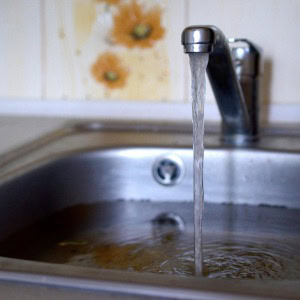
Slow or blocked drains are one of the most common plumbing problems in any home. While some blockages are minor, others point to deeper issues inside the drainage system. Proper drain cleaning restores flow and helps prevent repeat problems.

This guide explains how drain cleaning works, when jetting is needed, and how to keep drains running properly.
What drain cleaning is

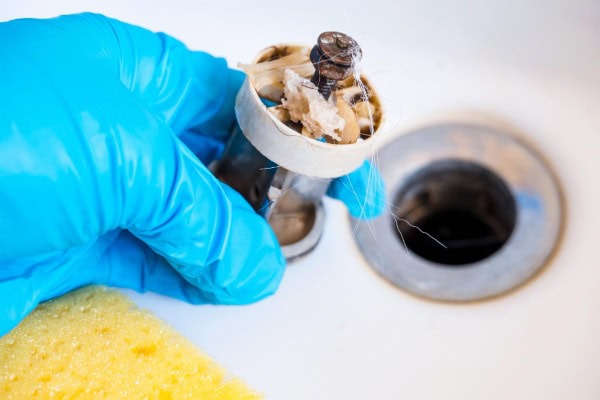
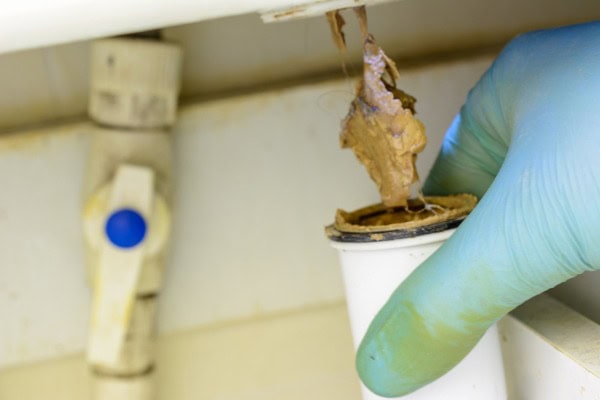
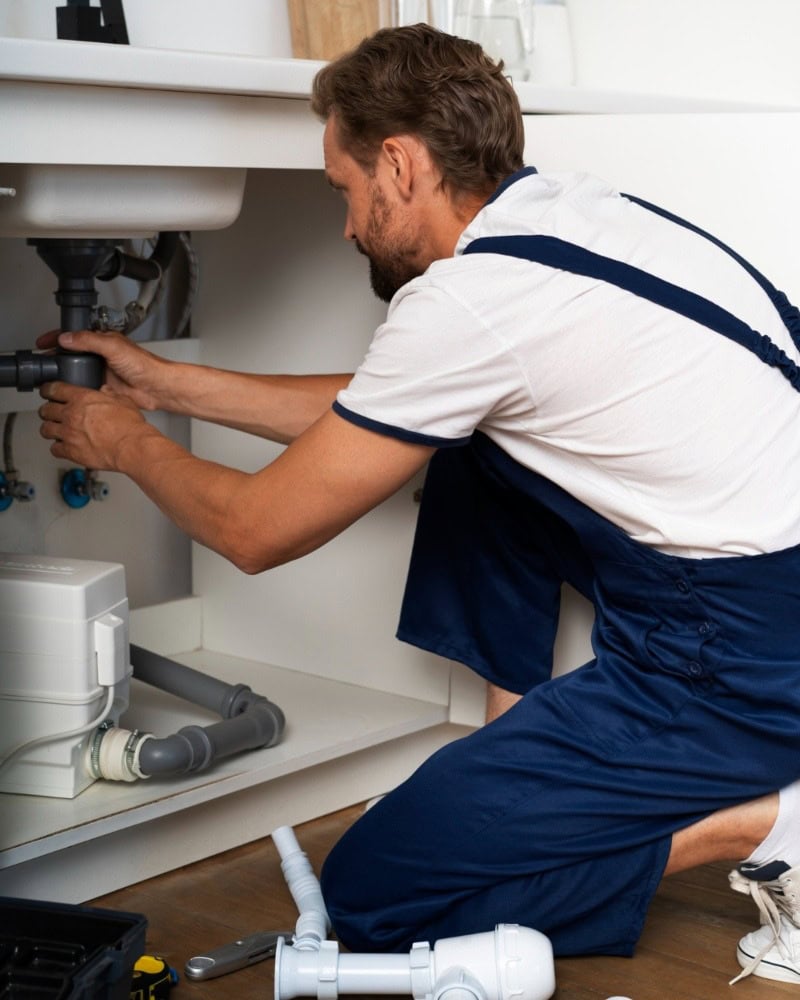
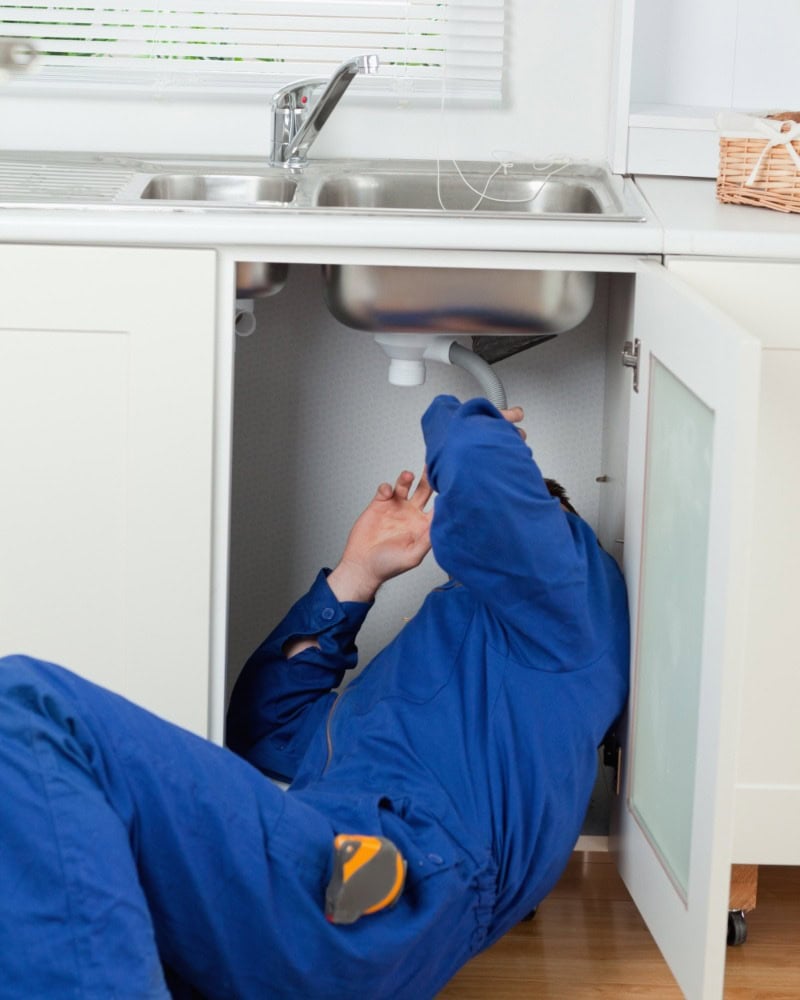
Drain cleaning removes built up waste from inside pipes. This includes grease, soap residue, hair, food waste, mineral deposits, and debris. Over time these materials stick to pipe walls and reduce the space water can flow through.

If left untreated, slow drains often turn into full blockages.

Common causes of blocked drains

Grease Buildup

Cooking grease hardens as it cools and sticks to pipe walls. Over time it traps food particles and creates stubborn blockages.

Hair and Soap Residue

Bathroom drains often clog due to hair and soap combining into thick deposits.

Food Waste

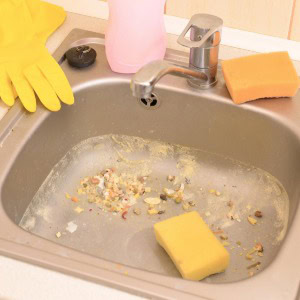
Even with a garbage disposal, food scraps can collect in pipes and restrict flow.

Wipes and Paper Products

Flushable wipes do not break down like toilet paper. They commonly cause severe blockages.

Scale and Mineral Buildup

Hard water leaves mineral deposits inside pipes, especially in older systems.

Tree Roots

Roots can enter drain lines through small cracks and joints, restricting flow and causing repeated blockages.

Signs your drains need cleaning

One slow drain may be local. Multiple slow drains often point to a main line issue.

Drain cleaning methods

Different problems require different solutions.

Mechanical Snaking

A drain snake breaks through soft blockages and pulls out debris. This is often used for hair or minor obstructions.

Drain Augering

A heavier duty cable is used for tougher clogs deeper in the line.

Hydro jetting

High pressure water is used to scour the inside of the pipe. This removes grease, sludge, roots, and scale from pipe walls.
Hydro jetting does not just clear a path. It cleans the entire pipe diameter.

When jetting is the right solution

Hydro jetting is ideal when:

Grease keeps coming back

Multiple drains are affected

Roots are present

Pipes are heavily coated with buildup

You want a long term solution

Jetting is especially effective for commercial drains and older residential systems.
Is hydro jetting safe

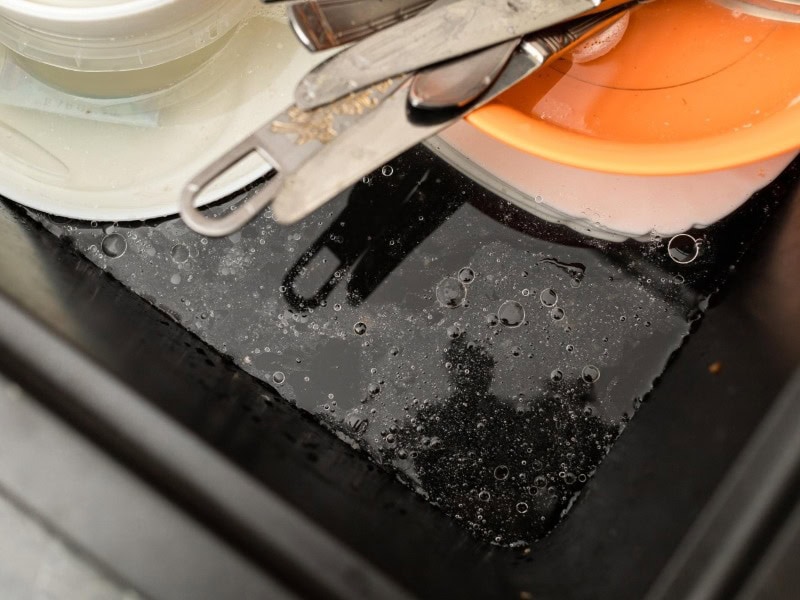
When performed by a professional, jetting is safe for most pipes. Before jetting, a camera inspection is often used to ensure pipes are structurally sound.
Jetting is not recommended for pipes that are already collapsed or severely deteriorated.
For most homes, routine cleaning every one to two years helps prevent major blockages. Homes with older pipes or recurring issues may benefit from more frequent maintenance.

Preventing drain blockages

Small habits reduce the risk of serious problems.

DIY drain cleaners and why to avoid them

Chemical drain cleaners can damage pipes and rarely remove the full blockage. They often burn a small hole through the clog and leave the rest behind.

When to call a professional

If clogs keep returning, drains smell, or water backs up in multiple fixtures, professional cleaning is recommended. These signs usually point to buildup or issues deeper in the system.

Drain cleaning you can rely on

Liberty Drain provides professional drain cleaning and jetting services across Westchester and surrounding areas. Each job starts with understanding the cause of the blockage, not just clearing the symptom.
If your drains are slow or repeatedly clogging, contact Liberty Drain to restore proper flow and prevent future problems.