Please select your service area
Please the service you require
This guide explains how sewer lines fail, the warning signs to look out for, and how repairs are handled.

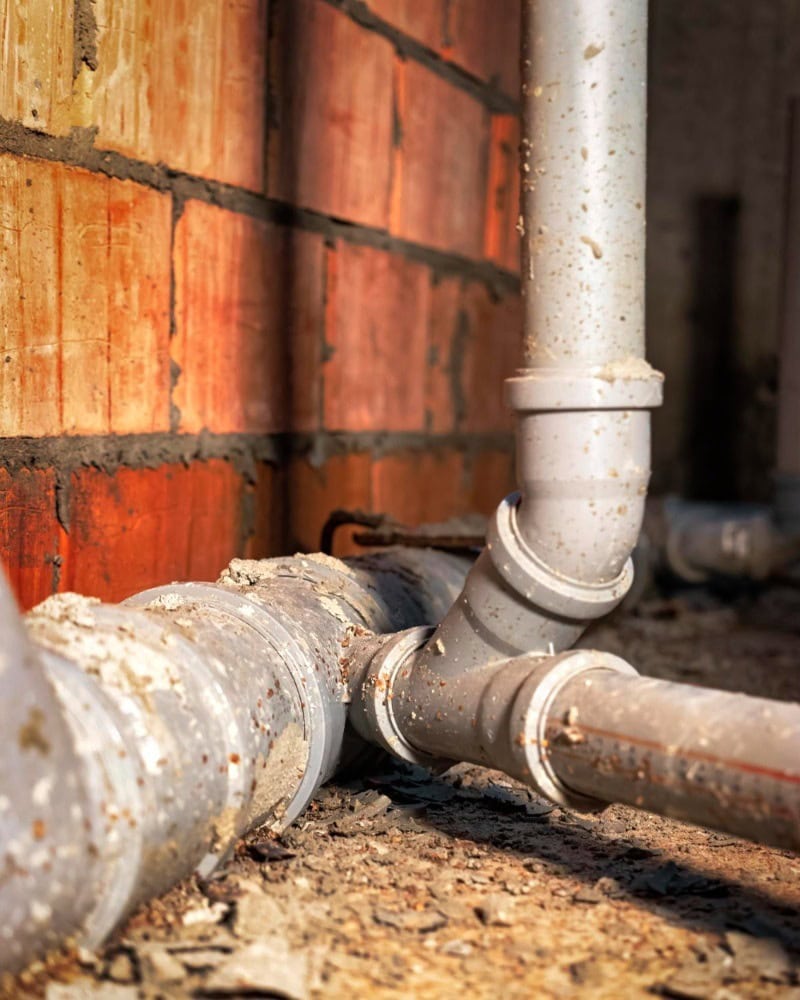
Every toilet, sink, shower, and drain feeds into it. When the line is damaged or blocked, multiple fixtures are usually affected at the same time.
Roots naturally seek moisture. Small cracks in older pipes attract roots, which grow inside the line and restrict flow. Over time, roots can split or collapse pipes.
Many homes still have cast iron, clay, or Orangeburg pipes. These materials break down with age. Corrosion, cracking, and collapse become more likely over time.
Soil shifting, freeze and thaw cycles, and settling foundations can cause pipes to crack or pull apart.
Grease, wipes, paper towels, and food waste can slowly narrow the pipe until it becomes blocked.
Older sewer lines were sometimes installed without the correct slope or support. This leads to standing water and repeated blockages.
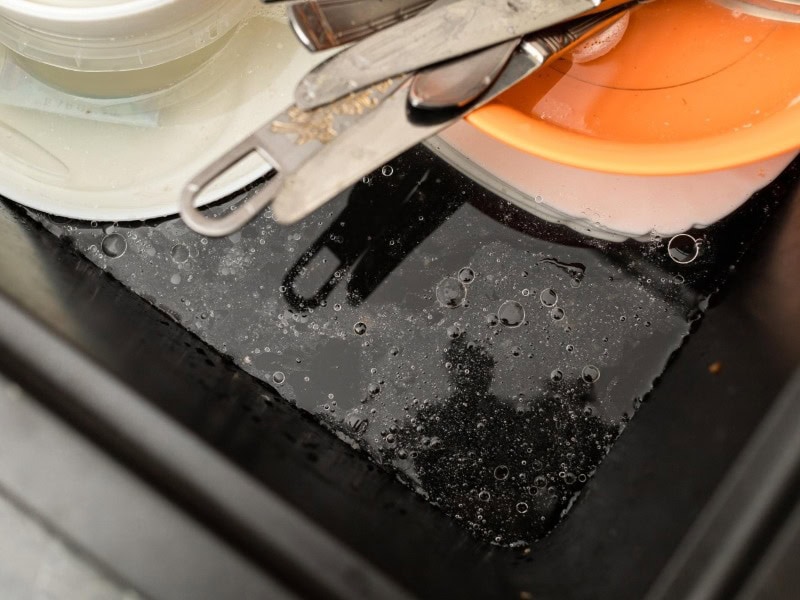
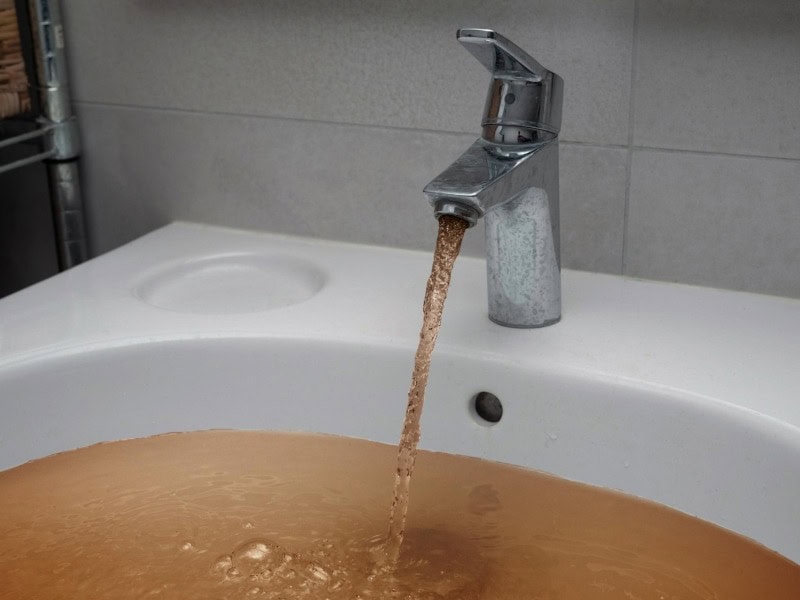
If more than one fixture is affected, the issue is often the main sewer line rather than a single drain.
Proper diagnosis is essential. Guesswork often leads to repeat problems.

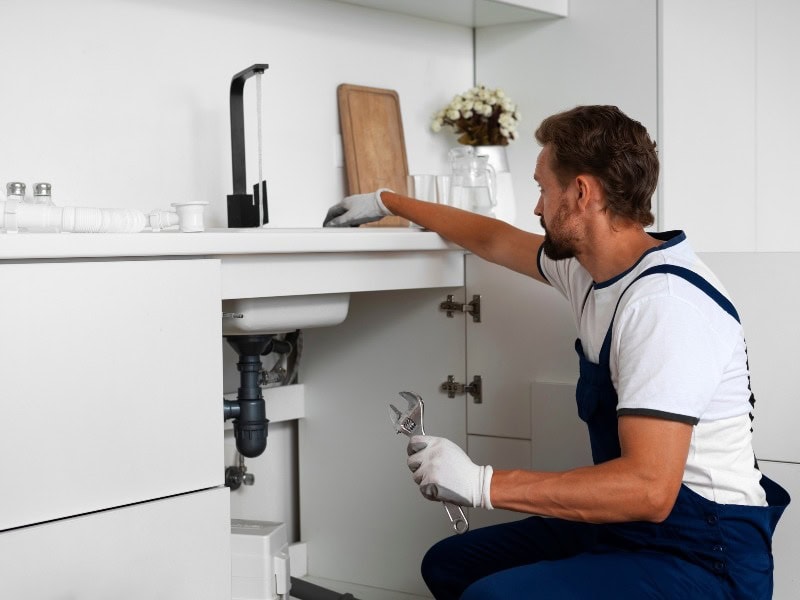
Liberty Drain provides clear diagnosis, honest advice, and reliable sewer line repair across Westchester and surrounding areas. Whether the issue requires cleaning, repair, or replacement, the focus is always on long term solutions.