Storm Drain Clearing

Storm Drain Problems During Heavy Rain

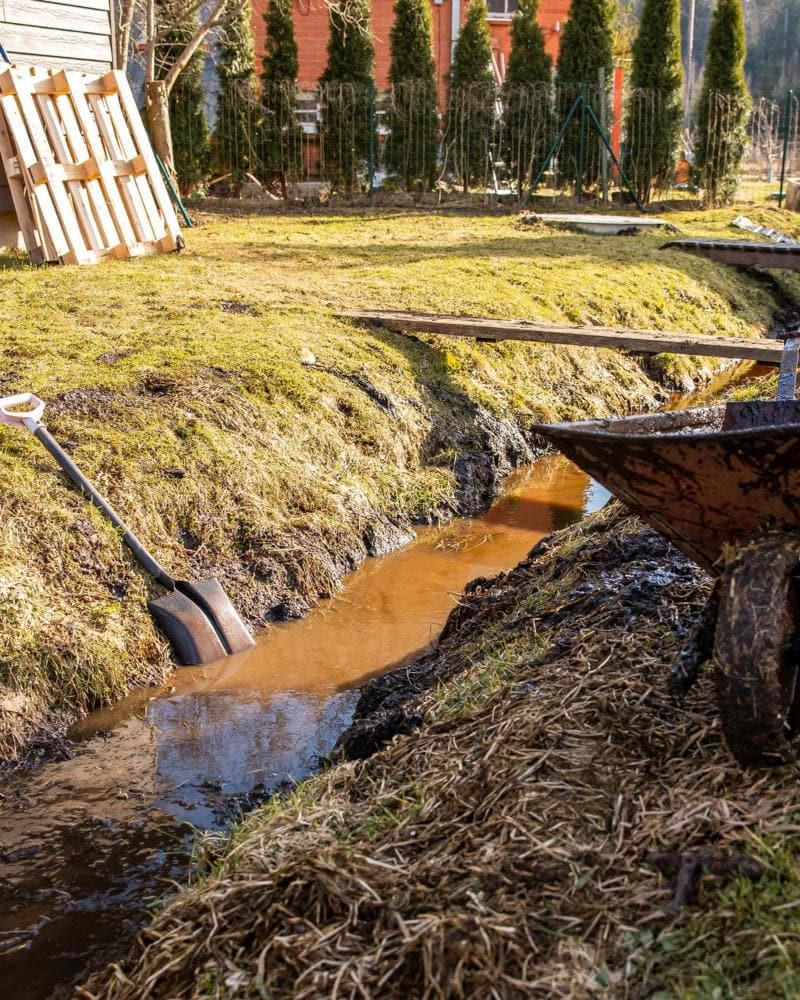
Storm drains are designed to move rainwater away from homes, buildings, and paved areas. When storm drains become blocked, water has nowhere to go and flooding can occur quickly. Regular storm drain clearing helps prevent property damage and drainage failures during heavy rain.

This guide explains why storm drains block, the risks involved, and how clearing is handled.
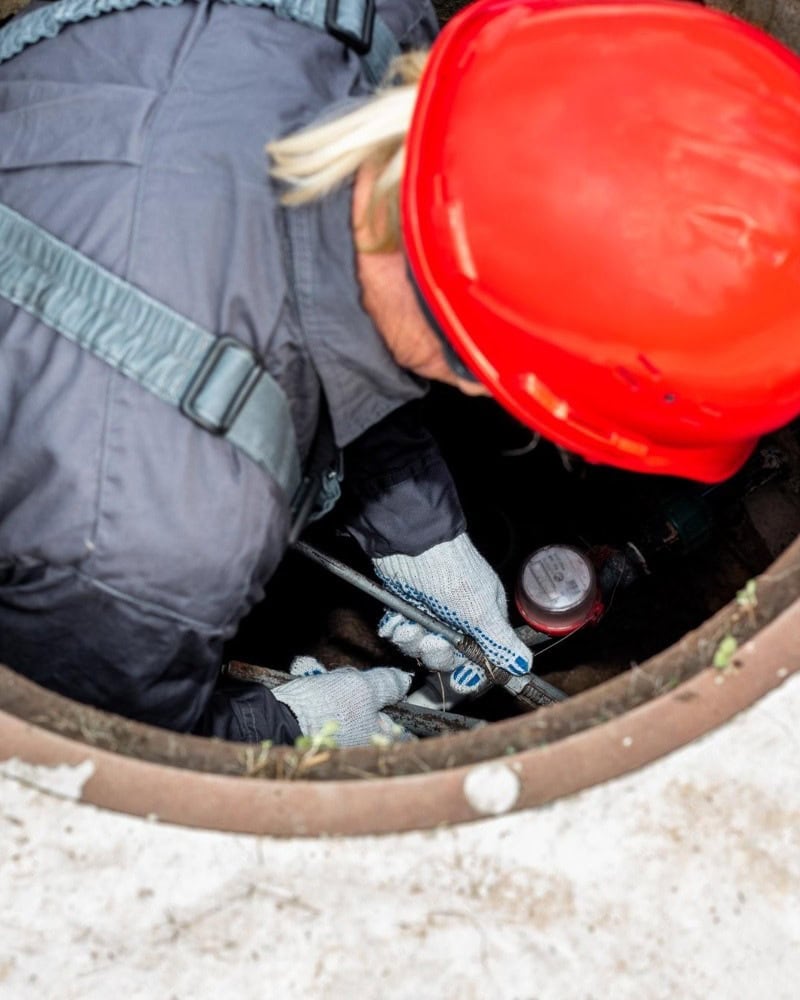
What storm drains do

Storm drains collect rainwater from roofs, driveways, yards, and streets. They direct water away from structures and into underground drainage systems or approved discharge areas.

When storm drains are clear, water flows away safely. When blocked, water pools and floods surrounding areas.

Common causes of blocked storm drains

Leaves and debris

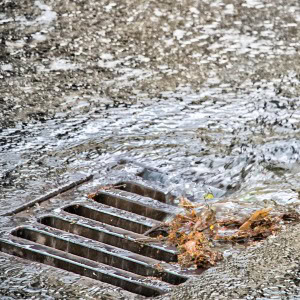
Fallen leaves, twigs, and dirt are the most common causes of storm drain blockages.

Sediment buildup

Soil and sand can wash into drains and settle over time.

Trash and litter

Plastic, packaging, and debris can lodge in drain openings.

Tree roots

Roots can enter storm drain pipes through joints or cracks and restrict flow.

Collapsed or damaged pipes

Aging or damaged storm drain pipes can fail and block water movement.

Signs a storm drain is blocked

These signs often worsen during heavy rain.

Risks of blocked storm drains

Blocked storm drains can cause serious damage if left unresolved.

How storm drain blockages are diagnosed

Proper diagnosis is essential. Guesswork often leads to repeat problems.
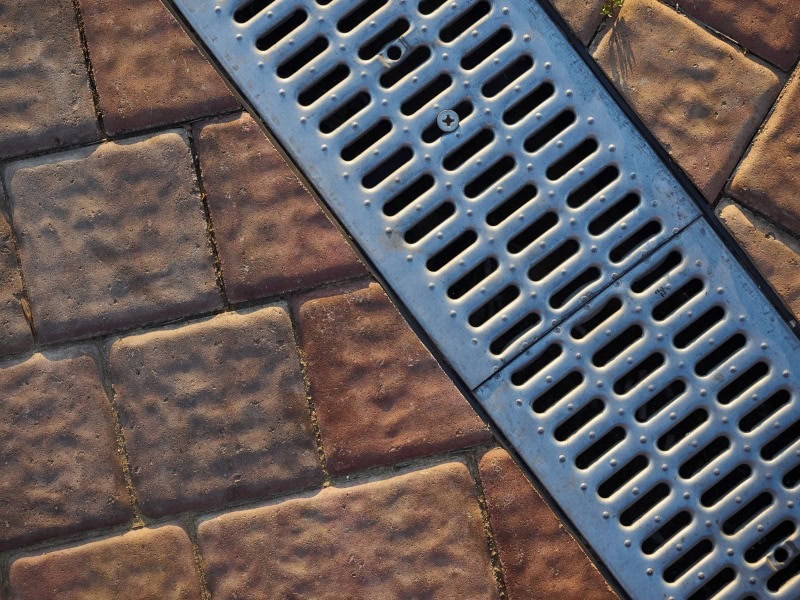
Visual Inspection

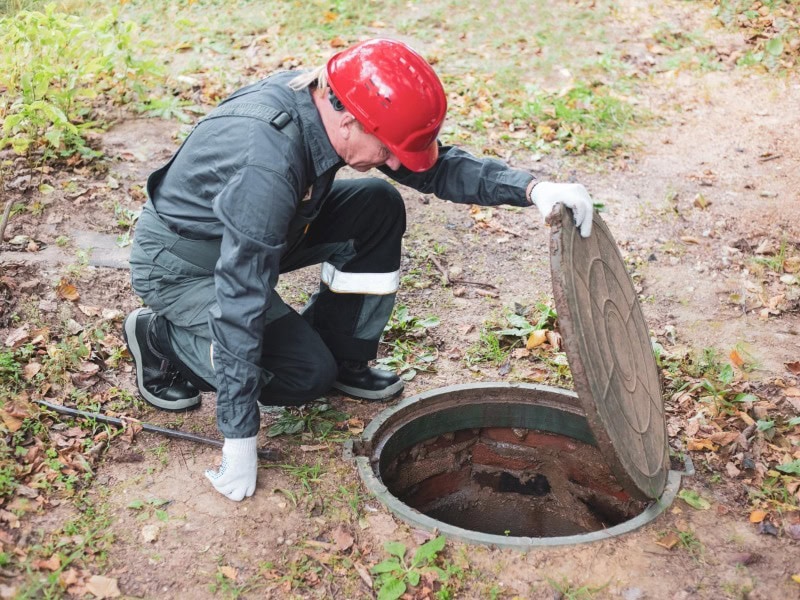
Drain openings and surface areas are checked for visible debris.

Drain Camera Inspection

Cameras identify blockages, roots, or pipe damage underground.

Flow testing

Water is introduced to confirm restrictions and drainage speed.

Storm drain clearing methods

Leaves, dirt, and trash are removed from drain openings.
Special tools break up compacted debris inside the pipe.
High pressure water flushes sediment, roots, and buildup from pipes.
Damaged sections are repaired if blockages are caused by pipe failure.
Storm drains should be inspected at least once a year and before heavy rain seasons. Properties with trees or heavy runoff may need more frequent maintenance.

Preventing storm drain blockages

Preventive care reduces flooding risk significantly.

Storm drains and basement flooding

Blocked storm drains can increase groundwater pressure around foundations, leading to basement flooding. Clearing storm drains often plays a key role in flood prevention.

When to call a professional

If water pools after rain or flooding occurs, professional storm drain clearing is recommended. DIY clearing often addresses only surface debris and misses deeper blockages.

Storm drain clearing you can rely on

Liberty Drain provides professional storm drain clearing across Westchester and surrounding areas. Services focus on restoring proper flow and preventing future flooding.
If storm drains on your property are blocked or slow, contact Liberty Drain to arrange inspection and clearing.