
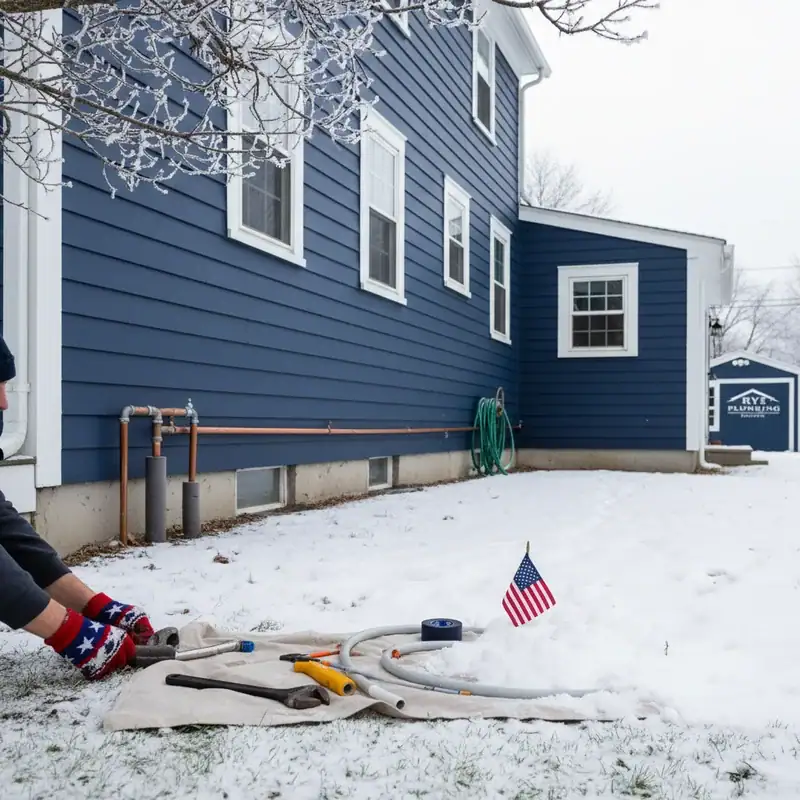
Winter in Rye brings its own unique plumbing challenges. With temperatures dropping and wet weather arriving, your home's plumbing system faces increased stress from freezing pipes, ice buildup, and seasonal storms that can overwhelm drainage systems. The good news? A proactive approach can save you from emergency calls, water damage, and costly repairs.
We've put together this comprehensive winter plumbing checklist specifically for Rye homeowners. These steps will help protect your pipes, prevent sewer backups, and keep your plumbing system running smoothly through the coldest months ahead.
Protect Your Pipes from Freezing
Insulate Vulnerable Pipe Areas
Your first line of defense against frozen pipes starts with proper insulation. Focus on pipes in unheated spaces like basements, crawl spaces, attics, and garages: areas where Rye's winter temperatures can quickly penetrate. Wrap foam pipe sleeves or fiberglass insulation around exposed pipes, securing everything with duct tape.
Pay special attention to pipes running along exterior walls, especially those supplying kitchen and bathroom fixtures. These pipes face the greatest freezing risk since they're closest to outside temperatures. For pipes in particularly vulnerable locations, consider installing heat tape or cables for additional protection.
Seal Air Leaks Around Pipe Entry Points
Cold air infiltration is one of the biggest threats to your plumbing system. Examine where pipes enter your home through walls, floors, or foundations, then seal any gaps or cracks using caulk or expanding foam. This simple step prevents cold air from reaching your pipes while improving your home's overall energy efficiency: a win-win for your comfort and utility bills.

Winterize Outdoor Plumbing Fixtures
Disconnect and Drain Garden Hoses
Before Rye's first hard freeze, disconnect all garden hoses from outdoor faucets and drain them completely. Store hoses in a dry location like your garage or basement. Leaving hoses connected traps water that can freeze and expand, potentially bursting both the hose and the pipe connection: even on frost-free fixtures.
Shut Off Outdoor Water Supplies
Locate the shutoff valves for your outdoor faucets (usually found in the basement or crawl space) and turn off the water supply. Open the outdoor faucets to drain any remaining water from the lines. This prevents water from sitting in the pipes where it can freeze and cause expensive damage.
If you haven't already, consider upgrading to frost-free sill cocks. These fixtures have longer stems that keep the actual valve mechanism inside your heated home, providing much better freeze protection.
Maintain Proper Indoor Temperatures
Keep Your Home Consistently Heated
Maintain your thermostat at least 55°F continuously, even when you're away from home. Dramatic temperature fluctuations put pipes at risk, particularly those in exterior walls or unheated areas. Consistent heating is especially crucial for pipes supplying sinks, toilets, and bathtubs located on outside walls.
Promote Air Circulation
Open cabinet doors under sinks located on exterior walls to allow warm air to circulate around the pipes. This simple trick can prevent freezing in vulnerable areas like kitchen and bathroom sinks.
Keep Water Moving During Extreme Cold
When temperatures drop below freezing, let faucets drip slowly overnight. Moving water is much less likely to freeze than standing water. Focus on faucets connected to pipes in exterior walls or unheated areas.
Prevent Winter Sewer Backups
Winter weather brings unique challenges to Rye's sewer systems. Heavy snow, ice, and winter storms can overwhelm drainage capacity and cause backups in homes.
Clean Drains Before Winter Hits
Clear debris from all drains throughout your home. Use a mixture of baking soda and vinegar followed by hot water to clean drains monthly. This prevents minor clogs from becoming major blockages during winter when you're less likely to notice problems until they become emergencies.
For comprehensive drain maintenance tips and techniques, check out our ultimate guide to drain line maintenance for detailed instructions on keeping your system flowing smoothly.
Address Gutter and Downspout Issues
Clean gutters and downspouts thoroughly to remove leaves, twigs, and debris. Clogged gutters can cause ice dams that back water up into your home and overwhelm your drainage system. Ensure downspouts direct water away from your foundation to prevent basement flooding and sewer line stress.

Pre-Winter System Inspection
Check for Existing Leaks
Before winter weather arrives, inspect your entire plumbing system for visible leaks. Look for water stains, corrosion, or moisture around pipe joints in your basement, under sinks, and in other accessible areas. Even small leaks can become major problems when exposed to freezing temperatures, as ice expansion amplifies existing weaknesses.
Service Your Water Heater
Your water heater works harder during winter months to maintain hot water temperatures. Schedule maintenance to ensure it's operating efficiently and safely. Check the temperature setting (120°F is typically recommended), test the pressure relief valve, and flush the tank if needed.
Inspect Sump Pumps and Drainage Systems
If your home has a sump pump, test it before winter storms arrive. Pour water into the sump pit to ensure the pump activates and removes water properly. Clean debris from the discharge line and check that it directs water away from your foundation.
Know When to Call the Professionals
While these preventive measures significantly reduce your risk of winter plumbing problems, some situations require professional expertise. Call Liberty Drain and Sewer immediately if you notice:
- Reduced water pressure from multiple fixtures
- Strange odors coming from drains
- Gurgling sounds from toilets or drains
- Water backing up in basement drains
- Any signs of frozen pipes (no water flow, frost on pipes, strange smells)
Our experienced team understands Rye's unique winter challenges and can quickly diagnose and resolve issues before they become major problems. We're equipped with advanced tools like hydro-jetting equipment and video inspection cameras to handle everything from minor clogs to serious sewer line issues.
Prepare for Extended Absences
If you're traveling during winter, take extra precautions to protect your plumbing. Set your thermostat to maintain at least 55°F, and consider asking a trusted neighbor to check on your home periodically. For extended trips, you might want to shut off your main water supply and drain the system: though this requires professional assistance to do safely.
Stay Prepared This Winter
Following this winter plumbing checklist will help protect your Rye home from frozen pipes, sewer backups, and costly emergency repairs. Remember, prevention is always less expensive and stressful than emergency repairs during the coldest months of the year.
If you discover any issues during your winter preparation or need professional assistance with winterizing your plumbing system, contact our team right away. We're here to help Rye homeowners stay comfortable and worry-free throughout the winter season.
Don't wait for problems to develop: take action now to protect your home's plumbing system, and enjoy peace of mind knowing you're prepared for whatever winter weather brings to Rye.