
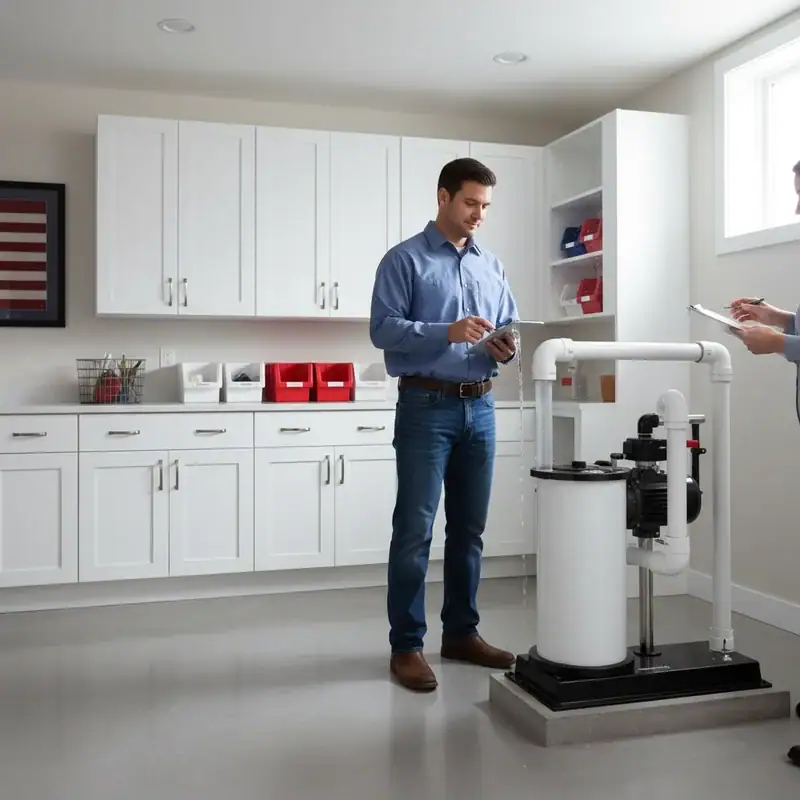
A sewer backup is every property owner's nightmare: but when it happens, staying calm and taking the right steps immediately can save you thousands of dollars in damage and protect your family or employees from serious health risks. Whether you're dealing with a minor backup in your Westchester home or a major emergency at your business, this step-by-step guide will walk you through exactly what to do.
Remember, sewage contains harmful bacteria, viruses, and toxic substances that pose serious health hazards. This isn't the time to "tough it out" or try DIY solutions: but there are crucial steps you need to take right now before professional help arrives.
Step 1: Ensure Immediate Safety
Stop All Water Use Immediately
The moment you discover a sewer backup, stop using any water in your property. Don't flush toilets, run faucets, use dishwashers, or operate washing machines. Every drop of additional water will make the situation dramatically worse and can cause sewage to spread throughout your property.
Assess Electrical Safety
If sewage has reached any electrical outlets, appliances, or your electrical panel, turn off power to the affected areas at your circuit breaker: but only if you can do so safely from a dry location. If water is near electrical components and you can't safely reach the breaker, evacuate immediately and call emergency services.
Protect Yourself with Proper Gear
Before entering any affected area, put on protective equipment: rubber boots, waterproof gloves that extend to your elbows, safety glasses, and an N95 mask or respirator. If you don't have these items readily available, wait for professional help rather than exposing yourself to dangerous pathogens.

Step 2: Identify the Source and Scope
Understanding whether you're dealing with a localized problem or a larger system issue will determine your next steps and who you need to call.
Check Multiple Drain Points
Look at several drains, toilets, and fixtures throughout your property. If only one area is affected, the blockage is likely in your individual drain line. If multiple areas are backing up simultaneously, especially lower-level fixtures, you're probably dealing with a main sewer line issue.
Look for Obvious Signs
Check your basement floor drains, laundry room drains, and the lowest bathroom fixtures first: these are typically the first places you'll see backup from a main line problem. Also look outside for sewage surfacing in your yard near the sewer line or street.
Document Everything Immediately
Before you start any cleanup, take photos and videos of all affected areas, damaged items, and the extent of contamination. Your insurance company will need this documentation, and many property owners forget this crucial step in the stress of the moment.
Step 3: Contact the Right Professionals
Call Liberty Drain and Sewer Inc. First
For Westchester homeowners and businesses, your first call should be to a professional drain and sewer service. At Liberty Drain and Sewer Inc., we provide 24/7 emergency response because we understand that sewer backups don't wait for business hours. Our experienced technicians can quickly assess whether the issue is in your individual system or the municipal line.
Determine Municipal vs. Private Responsibility
If our assessment reveals the problem is in the public sewer system, we'll help you contact the appropriate municipal authorities. However, most backups originate from issues within private property lines: like tree root intrusion, clogs from improper disposal, or aging pipe failures.
Consider Professional Restoration Services
For significant backups, especially those affecting finished basements or business operations, you'll likely need both drain/sewer repair and professional water damage restoration. Sewage is classified as "Category 3" contaminated water, requiring specialized cleanup procedures that go far beyond regular water damage.
Step 4: Initial Damage Control
Remove Standing Water Safely
If you have minor standing water and proper protective equipment, you can begin removing it with a wet vacuum designed for sewage (never use your regular shop vac). However, for significant amounts of sewage or if you lack proper safety gear, leave this to professionals who have industrial-grade equipment and training.
Isolate Contaminated Items
Separate items that have contacted sewage into categories: items that can be professionally cleaned and disinfected, and items that must be discarded. Generally, porous materials like carpeting, upholstery, and drywall that have been saturated with sewage cannot be adequately disinfected and pose ongoing health risks.
Ventilate the Area
Open windows and use fans to improve air circulation, but avoid spreading contaminated air to clean areas of your property. This helps reduce odors and begins the drying process, but don't rely on air circulation alone to solve contamination issues.
Step 5: Professional Assessment and Repair
Camera Inspection and Diagnosis
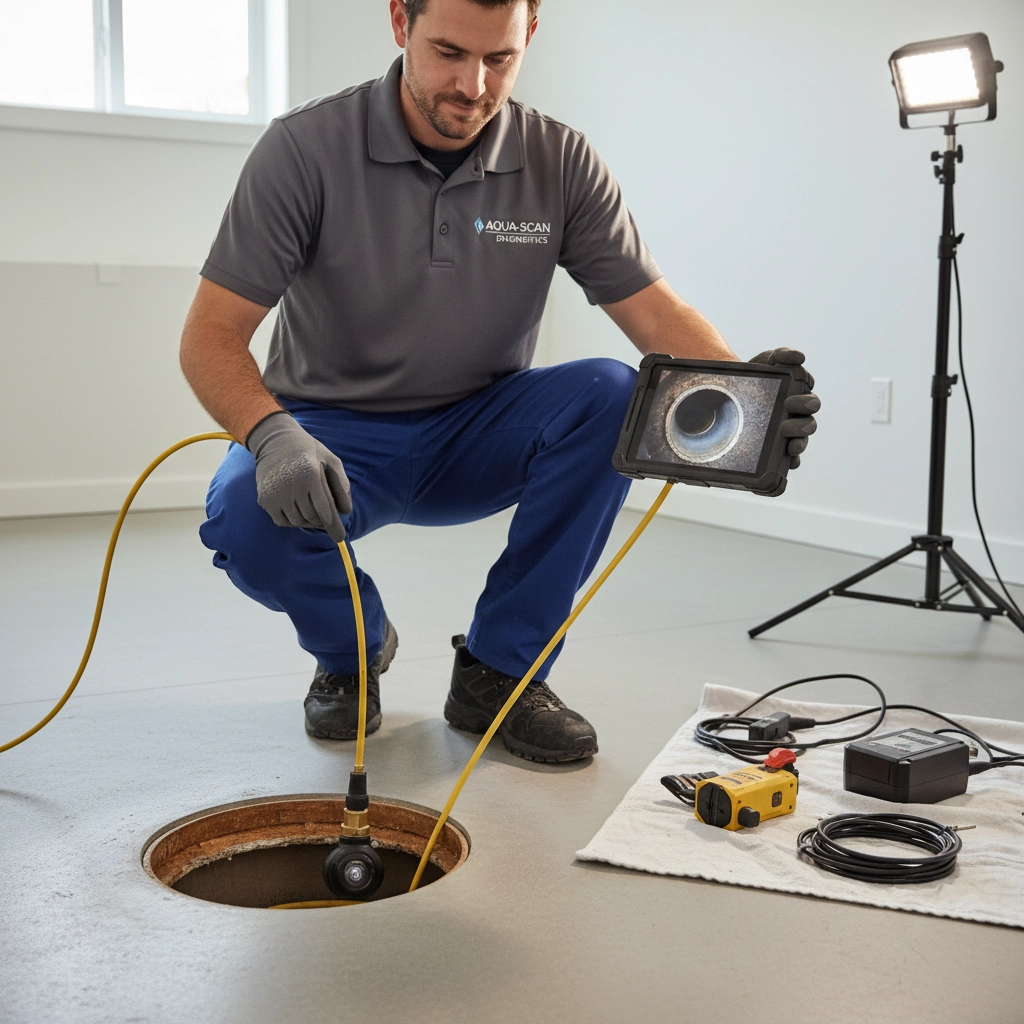
Professional sewer technicians use advanced camera inspection technology to identify the exact cause and location of your backup. This non-invasive diagnostic method saves time and money by pinpointing problems without unnecessary digging or guesswork.
Appropriate Repair Method
Depending on the cause, solutions might include hydro jetting for tough clogs, pipe repair or replacement for structural issues, or root removal for tree intrusion. Professional technicians have the tools and expertise to choose the most effective and cost-efficient solution for your specific situation.
System Testing and Verification
After repairs are completed, proper testing ensures your sewer system is functioning correctly and won't fail again immediately. This includes checking water flow, verifying proper drainage, and confirming that repairs have addressed the underlying cause: not just the symptoms.
Step 6: Proper Cleanup and Restoration
Professional Decontamination
Sewage cleanup requires more than just removing water and airing things out. Professional restoration companies use hospital-grade disinfectants and specialized equipment to eliminate dangerous pathogens and prevent mold growth. This isn't optional: it's a health necessity.
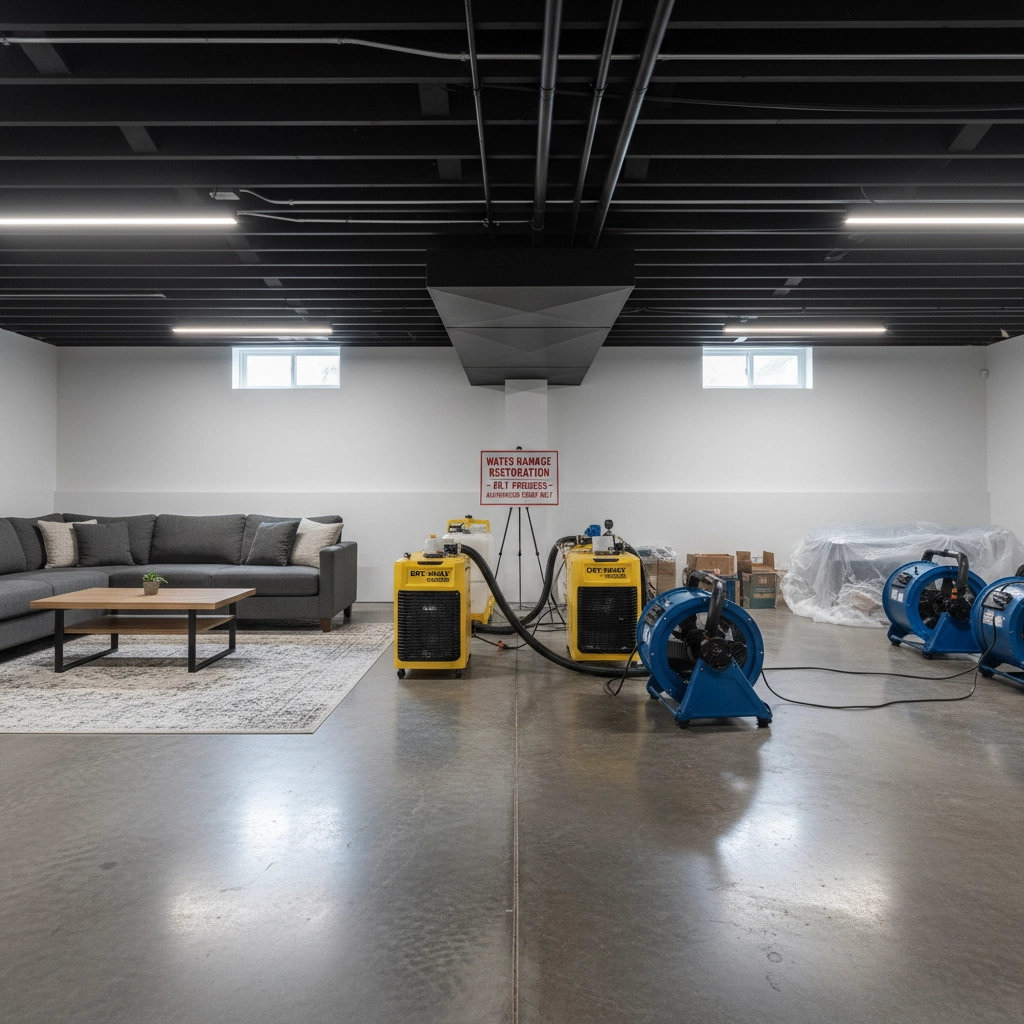
Structural Drying
Even after visible water is removed, moisture remains in walls, flooring, and building materials. Professional-grade dehumidifiers and air movers are essential for complete drying. Inadequate drying leads to mold growth, structural damage, and ongoing health hazards.
Air Quality Restoration
Professional services include air scrubbing and deodorization to eliminate harmful airborne contaminants and persistent sewage odors. Simply masking odors with air fresheners doesn't address the underlying contamination.
Step 7: Prevent Future Backups
Regular Professional Maintenance
The best way to avoid future sewer backups is through proactive maintenance. Annual or bi-annual professional cleaning and inspection can identify potential problems before they become expensive emergencies.
Install Preventive Equipment
Consider installing a backwater valve, which allows wastewater to flow out of your property while preventing it from flowing back in during municipal system overloads. This relatively inexpensive device can save you from major flood damage.
Develop Better Habits
Simple changes make a big difference: avoid putting grease down drains, don't flush inappropriate items, use drain strainers, and be mindful of what goes into your sewer system. For businesses, employee training on proper disposal practices is crucial.

Special Considerations for Westchester Properties
Weather-Related Challenges
Westchester County's climate brings unique challenges, from weather impacts on drain systems to seasonal root growth that can cause line intrusions. Understanding these local factors helps you prepare and respond appropriately.
Municipal Coordination
Different Westchester municipalities have varying procedures for reporting and addressing sewer issues. Professional local contractors understand these systems and can help navigate municipal requirements when public infrastructure is involved.
Insurance Considerations
Many Westchester homeowners don't realize their standard homeowner's insurance may not cover sewer backups. Consider adding sewer backup coverage to your policy, and understand the documentation requirements for successful claims.
When to Call for Emergency Help
Don't wait if you're experiencing:
- Raw sewage backing up into your home or business
- Multiple drains backing up simultaneously
- Sewage surfacing in your yard
- Strong sewage odors throughout your property
- Any amount of backup in food service areas
Remember, sewer backups pose serious health risks and can cause extensive property damage within hours. Quick professional response minimizes both health hazards and repair costs.
Take Action Now
If you're dealing with a sewer backup emergency in Westchester County, don't wait: contact Liberty Drain and Sewer Inc. immediately. Our experienced technicians provide 24/7 emergency service with rapid response times, advanced diagnostic equipment, and comprehensive solutions that address both immediate problems and long-term prevention.
Even if you're not currently facing an emergency, now is the perfect time to schedule a preventive sewer inspection to avoid future problems. Our camera inspection services can identify potential issues before they become costly disasters, and our maintenance programs keep your sewer system functioning reliably year-round.
Contact us today for emergency service or to schedule a preventive inspection. When it comes to your family's health and your property's safety, professional expertise isn't a luxury( it's a necessity.)