
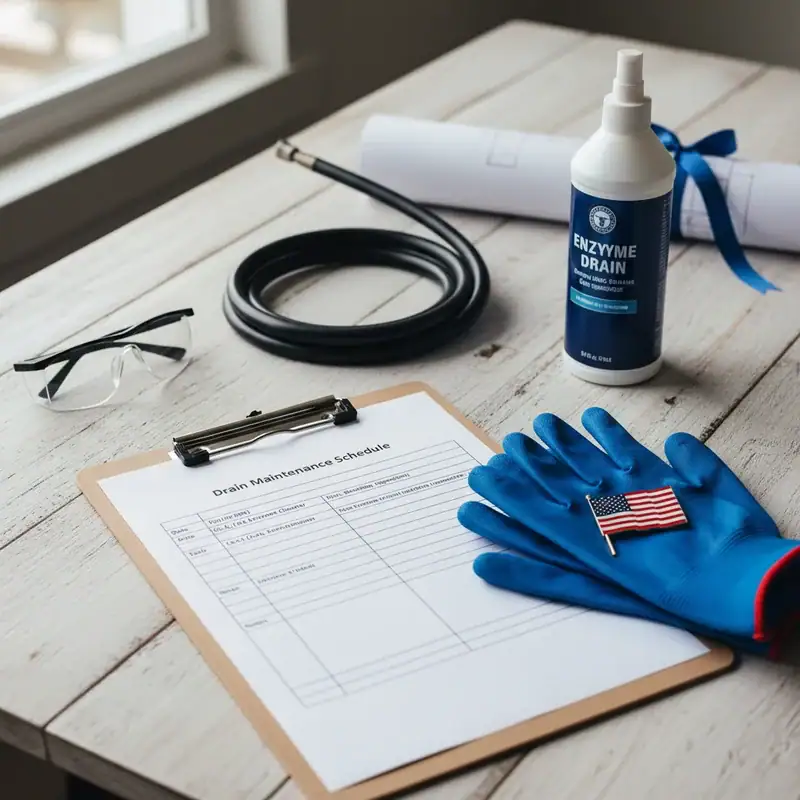
Let's be honest, nobody thinks about their drains until they're ankle-deep in water during a morning shower or dealing with a backed-up sink during a dinner party. But here's the thing: a simple, consistent maintenance schedule can save you from those "oh no" moments and keep your drains flowing smoothly year-round.
Whether you're managing multiple properties or just want to protect your own home, having a drain maintenance plan isn't just smart: it's essential. We've seen too many emergency calls that could have been prevented with basic upkeep, so let's walk through exactly what you need to do and when.
Your Weekly and Monthly Drain Care Routine
Think of weekly drain maintenance like brushing your teeth: it's a small habit that prevents big problems down the road. Every week, take 10 minutes to remove and rinse all visible drain covers and screens. You'd be amazed what gets caught in there! Run hot water through each drain for about 60 seconds to help dissolve any soap scum or grease buildup.
While the water's running, pay attention to how fast it drains. Slow drainage is your first warning sign that something's building up in the pipes. Also, give each drain a quick sniff test: any funky odors usually mean organic matter is decomposing somewhere in your system.
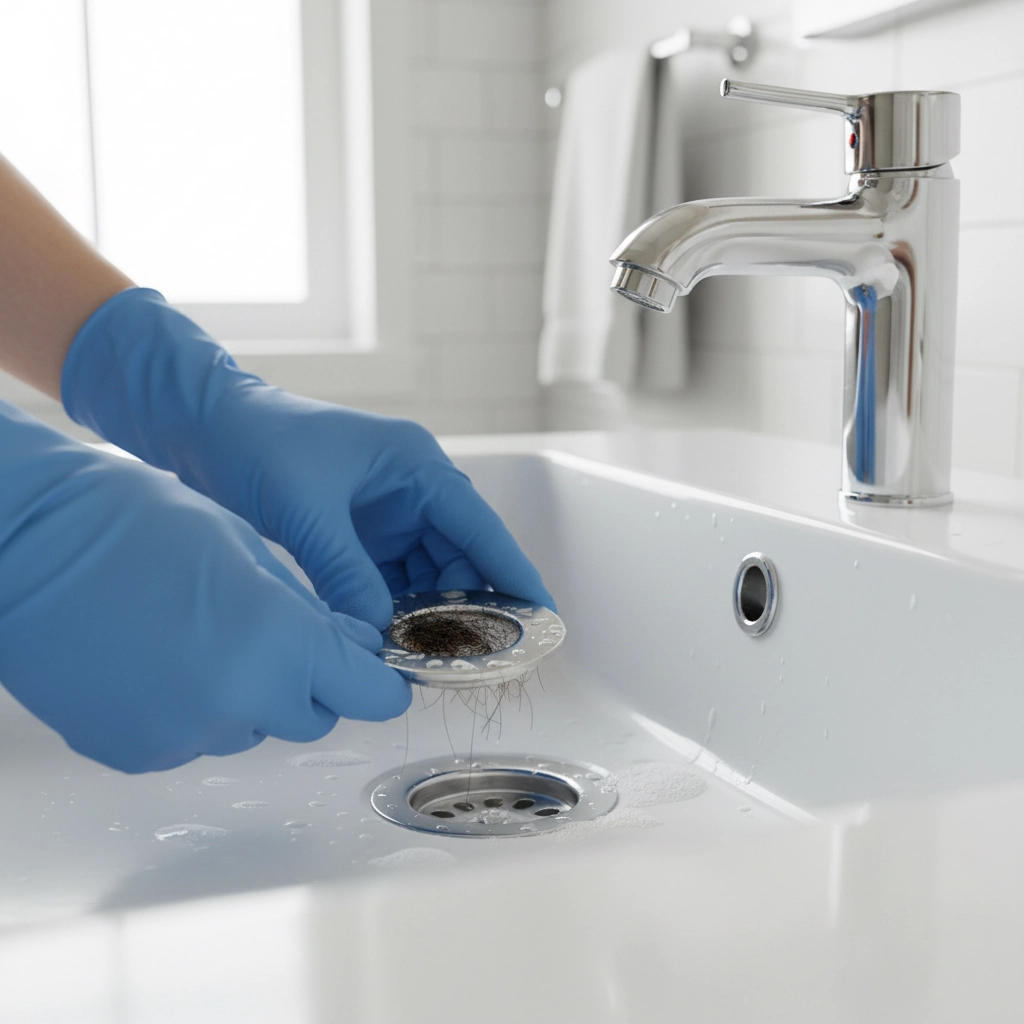
Monthly, step up your game by checking around sink areas for water damage, loose faucets, or signs of leaks. Clear any visible debris from outdoor drain openings, especially after storms or heavy leaf-fall. If you have floor drains in basements or utility rooms, pour a cup of water down each one to keep the trap seals from drying out.
Professional Inspection Schedules That Actually Work
Here's where things get property-specific, and the stakes get higher if you're managing rental units or commercial spaces.
For apartment complexes and rental properties, you need professional drain inspections at least twice per year. We recommend spring and fall scheduling: it catches winter damage early and prepares your system for heavy use seasons. Properties with older plumbing or frequent tenant turnover might need quarterly inspections.
Single-family homes can usually get by with annual professional inspections, though homes with large families or frequent entertaining should consider twice-yearly service. If you've got mature trees near your sewer lines, bump that up to every six months: roots don't take vacations.
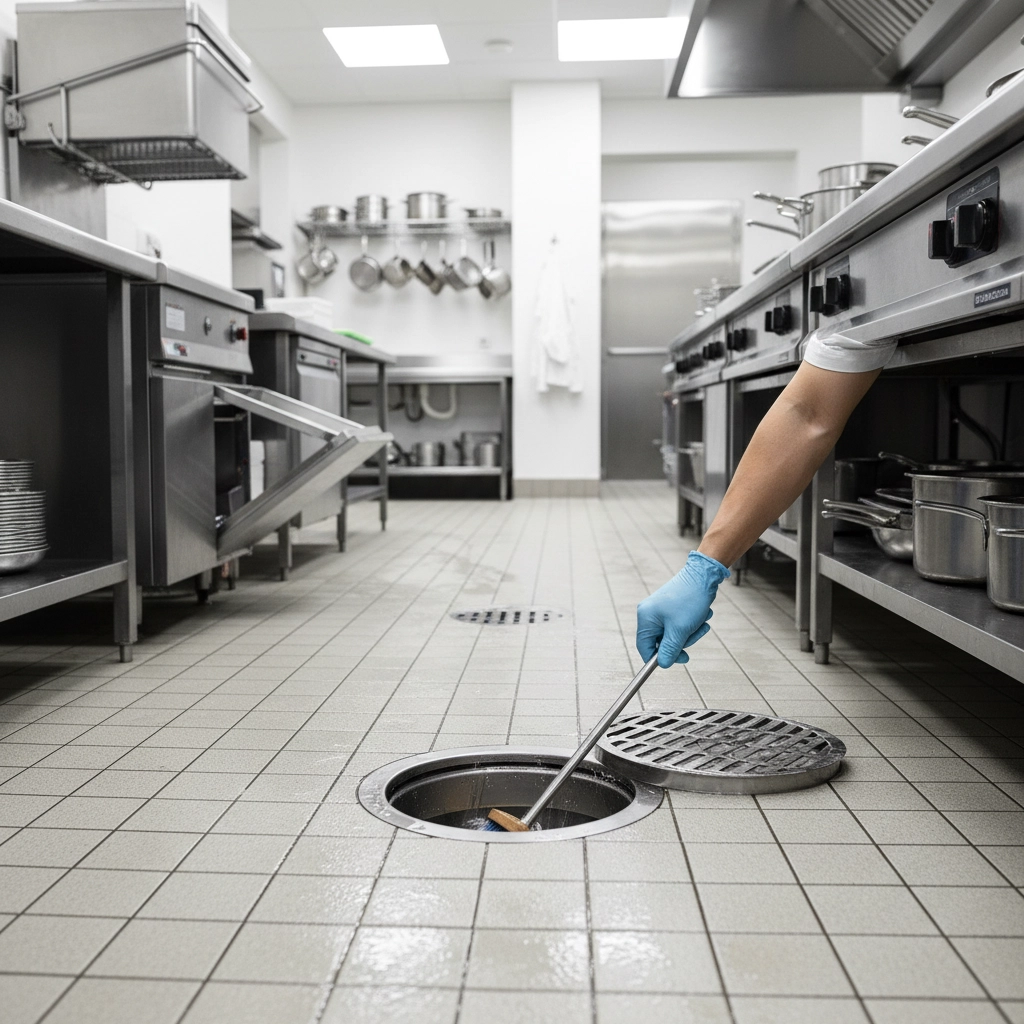
Commercial properties, especially restaurants and food service establishments, need quarterly inspections minimum. Grease and food debris can build up incredibly fast, and a backup during business hours isn't just inconvenient: it's a health code violation waiting to happen.
Seasonal Maintenance: Timing Is Everything
Spring hits your drainage system like a perfect storm of melting snow, spring rains, and debris that's been collecting all winter. This is when we see the most emergency calls, so early spring prep is crucial.
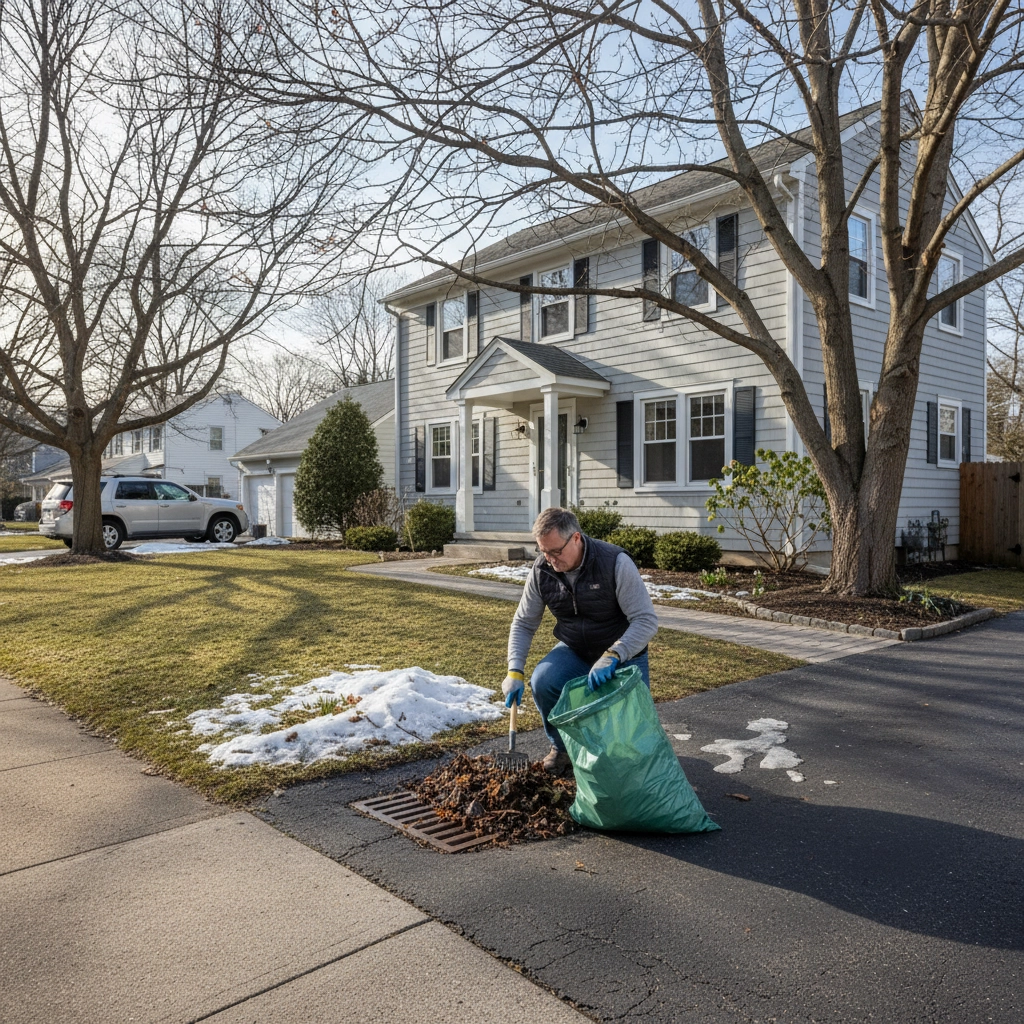
Start by walking your property and clearing any accumulated leaves, twigs, or trash from outdoor drains and catch basins. Check that all drain covers are secure and undamaged. If you have a basement or crawl space, now's the time to inspect for any signs of water intrusion from the winter months.
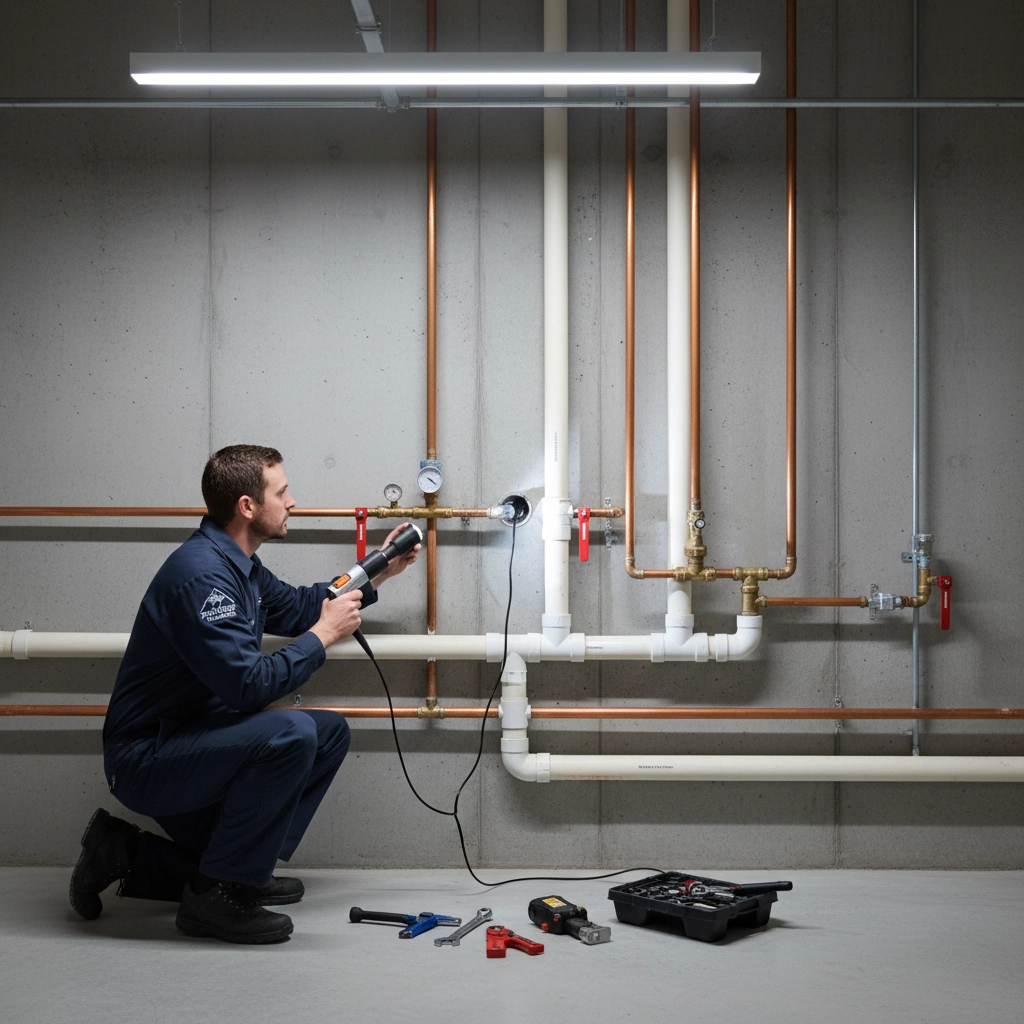
Summer maintenance focuses on outdoor drains and preventing storm-related issues. Keep gutters clean and ensure downspouts direct water away from your foundation. If you're doing any landscaping, be mindful of drain locations: we can't tell you how many service calls we get because someone planted a garden right over a cleanout access.
Fall preparation means one thing: leaves. Even if you don't have large trees on your property, leaves will find their way to your drains. Regular sweeping and clearing of outdoor drains during leaf season prevents massive blockages when winter weather hits.
Winter is usually the quietest season for drain issues, but frozen pipes can cause serious problems. Make sure any outdoor faucets are properly winterized, and if you have floor drains in unheated areas, pour a bit of RV antifreeze down them to prevent freeze damage.
Property-Specific Strategies
Apartment and rental property managers face unique challenges. You're dealing with multiple tenants who may not understand proper drain care, and one person's bad habits can affect everyone in the building.
Create simple tenant guidelines: no grease down kitchen drains, use drain strainers in shower and tubs, and never flush anything except toilet paper. We've pulled everything from baby wipes to small toys out of apartment building drains: trust us, prevention is easier than extraction.
Consider installing drain strainers in all units if they're not already there. They're inexpensive and catch most hair and debris before it becomes a problem. For shared laundry areas, regular lint trap cleaning and occasional drain flushing keeps things flowing smoothly.
Commercial properties need specialized approaches. Restaurants should have grease traps cleaned every 30-90 days depending on volume. Hair salons need drain strainers and regular cleaning to handle the constant hair and chemical exposure. Retail spaces with public restrooms should have monthly drain maintenance to prevent backups during busy periods.
Warning Signs You Can't Ignore
Even with perfect maintenance, drains will try to tell you when something's wrong. Here are the red flags that mean it's time to call professionals immediately:
Multiple drains backing up at once usually means a main line problem. This isn't a DIY fix: you need professional equipment to diagnose and clear main line blockages safely.
Sewage odors coming from drains, especially floor drains, can indicate serious sewer line issues. These odors can also be health hazards, so don't wait to address them.
Water backing up in unexpected places: like water appearing in your basement floor drain when you run the washing machine: suggests your system is overwhelmed or blocked.
Gurgling sounds from drains, especially when other water is running, often means air is trapped in your lines due to blockages.
When DIY Becomes Dangerous
Look, we love that you want to take care of your property, but some situations require professional tools and expertise. Chemical drain cleaners might seem like a quick fix, but they can actually damage your pipes over time and are dangerous to handle.
Recurring clogs that keep coming back after you clear them usually indicate a deeper problem: maybe tree roots, pipe damage, or issues with your main sewer connection. Trying to power through these with more aggressive DIY methods often makes the problem worse and more expensive to fix.
If you're dealing with sewage backup, stop everything and call professionals immediately. Sewage contains harmful bacteria and needs proper cleanup and disinfection to protect your health.
How Liberty Drain and Sewer Keeps You Ahead of Problems
We've been helping Westchester property owners stay ahead of drain problems for years, and our approach is simple: catch issues early when they're easy and affordable to fix.
Our maintenance services include video camera inspections that show you exactly what's happening inside your pipes, hydro jetting to clear tough blockages without damaging your lines, and preventive cleaning schedules tailored to your property's specific needs.
We work with property managers to set up maintenance contracts that keep multiple properties on schedule, and we offer emergency services when the unexpected happens. Our team knows Westchester's unique challenges: from old cast iron pipes to seasonal storm issues: and we're equipped to handle whatever your drains throw at us.
Your Next Steps
The best time to start a drain maintenance schedule was five years ago. The second best time is right now, before you're dealing with an emergency at the worst possible moment.
Start with the weekly basics we outlined, schedule your seasonal inspections, and don't ignore those warning signs when they appear. If you're managing multiple properties or just want the peace of mind that comes with professional oversight, we're here to help create a maintenance plan that fits your schedule and budget.
Ready to get ahead of drain problems instead of chasing them? Give us a call at Liberty Drain and Sewer, and let's set up a maintenance schedule that keeps your drains flowing and your stress levels low. Because when it comes to your property's drainage system, an ounce of prevention really is worth a pound of cure.