
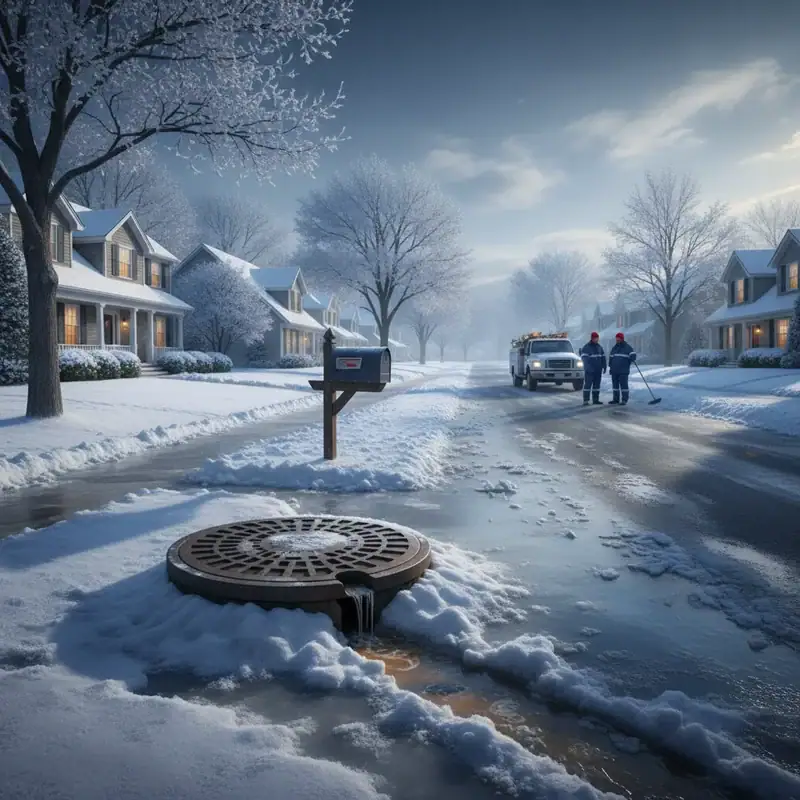
Winter in Westchester County can be brutal on your home's infrastructure, and your sewer system bears the brunt of nature's worst seasonal punches. While "destroy" might sound dramatic, the reality is that winter weather creates a perfect storm of conditions that can seriously damage your pipes, cause expensive backups, and leave you dealing with sewage emergencies when you least expect them.
The good news? Most winter sewer disasters are completely preventable with the right knowledge and a little preparation. Let's dive into exactly what winter does to your sewer system and how you can protect your Westchester home or business before the temperature drops.
The Winter Triple Threat to Your Sewer System
Freezing Water Creates Pipe-Bursting Pressure
When water freezes, it expands by about 9% – and that expansion creates tremendous pressure inside your sewer pipes. Think of it like this: if you've ever forgotten a can of soda in the freezer, you know what happens when liquid expands in a confined space. Your sewer pipes face the same physics, but with much more serious consequences.
In Westchester's fluctuating winter temperatures, pipes don't just freeze once and stay frozen. They go through repeated freeze-thaw cycles that stress the pipe material until cracks develop. These cracks might start small, but they grow larger with each freeze until you're facing a complete pipe rupture and sewage backup in your basement.
Ground Movement Puts Stress on Everything Underground
Here's something most homeowners don't realize: the ground around your sewer lines is constantly moving during winter. As soil freezes and thaws repeatedly, it expands and contracts, putting enormous stress on your underground pipes.

This soil movement is especially problematic for older homes in Westchester, where sewer lines may already be showing their age. The constant shifting can misalign pipe joints, crack connections, and in extreme cases, cause sections of your sewer line to completely collapse under the pressure of frozen ground and heavy snow loads.
Ice Buildup Creates Stubborn Blockages
When snow melts during the day and refreezes at night, it can create thick ice buildups inside your sewer pipes. Unlike regular clogs that you might clear with a plunger, ice blockages are solid barriers that prevent any wastewater from flowing through your system.
These ice dams often form at the worst possible spots – right where your home's sewer line connects to the main municipal line, or at bends and joints where water naturally slows down. When that happens, everything backing up into your home has nowhere else to go.
Winter's Hidden Complications
Your Septic System Goes Into Hibernation
If your Westchester property has a septic system, winter brings additional challenges. The bacteria that break down waste in your septic tank are living organisms, and just like you and me, they slow down dramatically when it gets cold. Some even go dormant entirely when temperatures drop below freezing.
Without active bacterial breakdown, waste accumulates faster than your system can handle it. This leads to quicker tank filling, more frequent pumping needs, and a much higher risk of system failure during winter months.
Tree Roots Become Aggressive Invaders
Winter's freeze-thaw cycles don't just affect your pipes – they also affect the tree roots around them. As the ground shifts and roots become more brittle, they're more likely to break through existing small cracks in your sewer lines.
Once roots find their way into your pipes, they create perfect collection points for debris and waste, leading to major blockages. Winter conditions can turn a minor root intrusion into a complete sewer line emergency.
Protecting Your System Before Winter Hits
Insulate Everything You Can Reach
Start with the pipes you can see and access. Wrap any exposed sewer pipes in crawl spaces, basements, or utility areas with foam pipe insulation. For pipes in particularly vulnerable spots, consider electric heating tape as an extra layer of protection.
Don't forget about your outdoor access points. Make sure all cleanout caps, inspection ports, and manhole covers are properly sealed. These openings can let cold air directly into your sewer system, creating freeze points that wouldn't otherwise exist.
Schedule Your Pre-Winter Professional Inspection
This is where many Westchester homeowners make a critical mistake – they wait until something goes wrong to call for help. A professional sewer inspection before winter can identify potential weak spots, existing damage, and debris buildup that could become serious problems once temperatures drop.
During this inspection, we can clear any accumulated debris, identify tree root intrusion, and spot pipe damage before it becomes a winter emergency. It's much easier (and cheaper) to fix these issues in October than it is to deal with a sewage backup in January.

Use Snow as Natural Insulation
Here's a counterintuitive tip: don't remove all the snow from above your septic system or drain field. Uncompacted snow actually provides excellent insulation, helping to keep the ground underneath from freezing deeply.
However, avoid walking, driving, or allowing pets to compact the snow above your system. Compacted snow loses its insulating properties and can actually make freezing problems worse. Think of fresh snow as nature's blanket for your sewer system.
Maintain Strategic Water Flow
During extended cold snaps, make sure warm water flows through your system regularly. Space out laundry loads, run dishwashers, and take showers to ensure at least some warm water moves through your pipes daily. This prevents stagnant water from freezing in place.
But here's the key: don't run water continuously. This can overwhelm your system and create different problems. Instead, plan your water usage so that you have regular warm water flow without flooding your system.
If You're Leaving Town This Winter
Planning a winter vacation or business trip? Your sewer system needs special attention when you're away. Keep your heat on – even if you lower it to 55°F, that's enough to prevent most freezing issues.
For extended absences, arrange for someone to run warm water through your system at least once a week. If you'll be away for more than a month, consult with a professional about whether your septic tank should be pumped before you leave.
Critical Winter Don'ts
Never Add Antifreeze or Chemicals
When panic sets in and your system starts showing signs of freezing, resist the urge to pour antifreeze, salt, or chemical additives into your drains. These substances can damage your pipes, kill beneficial bacteria in septic systems, and create environmental hazards.
Don't Attempt DIY Ice Removal
If you suspect ice blockages, don't try to thaw them yourself with hot water or heating devices. You could crack pipes, create dangerous conditions, or cause more extensive damage. Professional hydro jetting equipment is designed to safely clear ice blockages without damaging your system.
Avoid Grease and Oil Disposal
Winter is especially hard on kitchen drains. Cooking oils and grease solidify much faster in cold pipes, creating stubborn clogs that combine with other winter issues to create serious backups. Always dispose of cooking grease in the trash, never down the drain.
Recognizing Winter Sewer Problems Early
Know the warning signs that suggest your system is struggling with winter conditions. Slow-draining fixtures, gurgling sounds, sewage odors, and water backing up in lower-level drains are all red flags that shouldn't be ignored.

In Westchester's winter climate, these problems often get worse quickly. What starts as a slow drain on Monday can become a full sewage backup by Friday. When you notice any warning signs, it's time to call for professional help.
Your Winter Sewer Action Plan
The key to avoiding winter sewer disasters is preparation and quick response. Before the first hard freeze, complete your insulation work, schedule your professional inspection, and make sure you know how to recognize early warning signs.
Remember, proper maintenance throughout the year makes winter protection much more effective. A well-maintained sewer system can handle winter stress much better than one that's already struggling with existing problems.
Winter sewer emergencies are stressful, expensive, and often happen at the worst possible times. But with proper preparation and professional support, you can keep your Westchester home or business running smoothly all winter long.
Don't let winter weather catch your sewer system unprepared. Liberty Drain and Sewer's experienced team understands exactly how Westchester winters affect your plumbing, and we're ready to help you winterize your system before problems develop. Schedule your pre-winter sewer inspection today – we'll identify potential issues, provide expert protection strategies, and give you confidence that your system is ready for whatever winter throws at it. Call us now for fast, reliable service and the peace of mind that comes with professional winter preparation.