
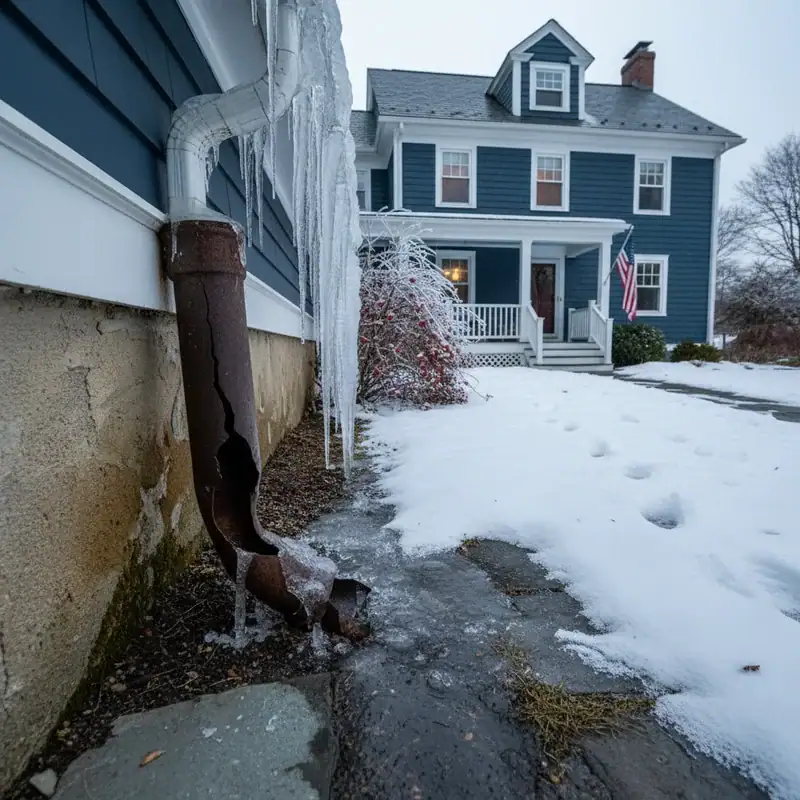
As November's chill settles across Westchester County, homeowners are discovering an uncomfortable truth: aging drain systems simply weren't built to handle today's extreme weather patterns. If you've noticed slow drains, strange odors, or mysterious puddles in your basement lately, you're not alone. This winter's cold snap is putting unprecedented stress on drainage infrastructure throughout our communities, from White Plains to Yonkers.
Why Cold Weather Hits Westchester Drains So Hard
Westchester County's unique geography creates the perfect storm for winter drainage problems. Our region sits at the intersection of multiple climate zones, meaning we experience rapid temperature fluctuations that wreak havoc on underground systems. When temperatures drop suddenly: as they have this late November: the freeze-thaw cycle becomes a silent destroyer of aging pipes.
Here's what happens beneath your property: older drain pipes, many installed 30-50 years ago, expand and contract with temperature changes. Clay pipes crack, cast iron corrodes faster, and PVC joints loosen. Add in the region's heavy autumn rainfall followed by freezing conditions, and you have a recipe for system failure.

The Warning Signs Your Drains Are Struggling
Smart Westchester homeowners know what to watch for. These early warning signs often appear just as cold weather arrives:
Slow-Draining Fixtures: If your kitchen sink or bathroom drains have become sluggish, it's not always a simple clog. Cold weather can cause partial blockages to become complete obstructions as debris contracts and hardens.
Basement Odors: Strange smells wafting from floor drains often indicate that aging pipes are allowing sewer gases to escape. Temperature changes exacerbate existing cracks and loose connections.
Water Backing Up: When cold snaps hit, compromised drain lines can't handle normal water flow. You might notice water backing up in unexpected places: a clear sign your system is overwhelmed.
Puddles After Rain: If you're finding mysterious wet spots in your basement or around your foundation after recent storms, your drainage system may be failing underground.
How Aging Infrastructure Amplifies Winter Problems
Many Westchester County homes were built during the post-war boom, meaning their drain systems are approaching retirement age. These aging systems face multiple challenges when winter weather arrives:
Material Breakdown: Older clay and cast iron pipes become brittle over time. Cold weather is often the final straw that causes complete failure.
Root Intrusion: Tree roots that have slowly invaded drain lines over decades create major blockages when combined with winter debris and reduced water flow.
Settlement Issues: Westchester's varied soil conditions cause gradual ground settlement, creating low spots where water pools and eventually freezes, blocking proper drainage.
Our team at Liberty Drain and Sewer has seen these problems firsthand throughout the county. Understanding the ultimate guide to drain line maintenance can help you identify potential issues before they become emergencies.

Proactive Steps for Westchester Homeowners
Don't wait for a complete system failure to take action. These preventative measures can help protect your property throughout the winter months:
Schedule Professional Inspections: Camera inspections reveal hidden problems before they cause expensive damage. Modern technology allows us to see exactly what's happening inside your drain lines without excavation.
Clear Gutters and Downspouts: Proper surface drainage reduces the burden on your underground systems. Make sure water flows away from your foundation, not toward it.
Insulate Exposed Pipes: Any drainage pipes in unheated areas should be properly insulated. This includes basement utility areas and crawl spaces.
Know Your Main Cleanout Location: Every homeowner should know where their main sewer cleanout is located. This knowledge proves invaluable during emergencies.
For comprehensive guidance on protecting your system year-round, check out our detailed resource on maintaining a healthy drain system in Westchester County.
When Professional Help Becomes Essential
Some situations require immediate professional attention. Don't attempt DIY solutions if you experience:
- Multiple drains backing up simultaneously
- Sewage odors throughout your home
- Water backing up in your basement
- Gurgling sounds from multiple fixtures
These symptoms often indicate main line problems that require specialized equipment and expertise. Hydro-jetting technology can clear blockages that traditional methods can't touch, while camera inspections pinpoint exact problem locations.

The Cost of Waiting
Westchester County homeowners who delay addressing drain problems often face much larger expenses down the road. A minor blockage that could be cleared for a few hundred dollars can quickly escalate into a major excavation project costing thousands.
Winter conditions make emergency repairs more challenging and expensive. Frozen ground, limited daylight hours, and harsh weather conditions all increase the complexity of drainage work. Taking proactive steps now can save you significant money and stress.
Your Next Steps
As this cold snap continues across Westchester County, don't ignore the warning signs your drainage system might be sending. Whether you're dealing with slow drains, mysterious odors, or backup issues, professional help is available.
Our local team understands the unique challenges facing Westchester County properties. We've helped thousands of homeowners protect their investments with reliable, long-lasting drainage solutions. From emergency repairs to comprehensive system upgrades, we're equipped to handle whatever winter throws your way.
Don't let aging drains turn this cold snap into a costly emergency. Contact our experienced team today for a thorough evaluation of your drainage system. We'll help you understand exactly what's happening underground and develop a plan to keep your home dry and comfortable all winter long.
Remember, when it comes to drainage problems in Westchester County, early action saves money, protects your property, and gives you peace of mind throughout the coldest months of the year.