Tree root intrusion, aging pipe materials, and shifting soil are the leading causes of sewer line damage in Westchester County. Most homeowners don’t notice a problem until backups, slow drains, or soggy patches in the yard show up. At Liberty Drain, we inspect and repair sewer lines across the county every week, and we see the same handful of causes over and over.
Understanding what’s actually damaging your sewer line helps you catch problems early, before they turn into a full excavation project. Let’s go through the most common causes we find here in Westchester County.
Tree Root Intrusion Is the Leading Cause of Sewer Line Damage Here
Tree roots naturally grow toward moisture, and a sewer line full of wastewater is an easy target. Roots find tiny cracks or joint gaps in older pipes and grow inside, expanding over time until they block flow completely. This is especially common in Westchester’s older neighborhoods with mature trees near original clay pipe lines.
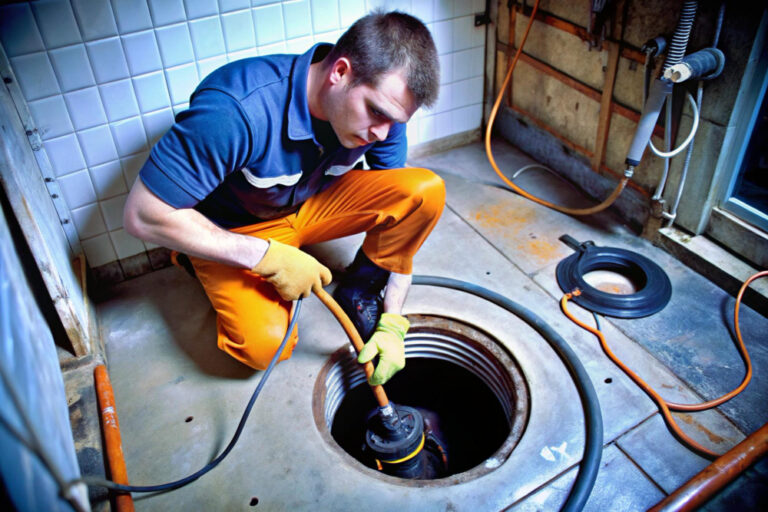
Once roots get inside, the damage compounds fast. Growing roots widen existing cracks and can eventually crush or collapse sections of pipe entirely. Our sewer line inspection services use camera technology to spot root intrusion early, before it turns into a collapsed line requiring full replacement.
Aging Clay and Cast-Iron Pipes Are Prone to Cracking and Collapse
A large number of homes in Westchester County still have original clay or cast-iron sewer lines installed decades ago. These materials degrade over time, becoming brittle and prone to cracking under normal ground pressure. Cast iron pipes also corrode from the inside, gradually narrowing the passage until backups become frequent.
Many residential sewer systems in the county date back 40 to 80 years, well beyond the expected service life of clay and cast-iron piping. If your home fits that age range and you’ve had recurring backups, aging pipe material is likely a major contributor.
Shifting Soil and Ground Movement Cause Pipe Misalignment
Westchester’s mix of clay soil, rocky terrain, and freeze thaw cycles puts real stress on the pipes running underground. When soil gets saturated, it expands, and when it dries out, it contracts. That constant back and forth movement is enough to shift pipe sections out of alignment over time. Once joints are misaligned, they create small gaps, and those gaps are exactly where roots sneak in or where waste starts backing up.
Winter tends to make things worse, since freeze thaw cycles are when ground movement is most active. This is often how we end up finding pipe bellies, those sagging sections where wastewater pools instead of draining like it should, and they’re usually the result of years of ground shifting beneath the surface. Our sewer repair services in Westchester County are built to deal with these underlying structural problems, not just clear out whatever clog happens to be causing symptoms at the moment.
Grease and Debris Buildup Narrows Pipes from the Inside
It’s not just kitchen sinks that suffer from grease, wipes, and household debris. All of that stuff travels further down the line into the sewer system, where it keeps building up. Grease hardens once it cools, sticking to the pipe walls and slowly shrinking the space wastewater actually has to flow through. When that’s combined with root intrusion or pipes that are already aging, the damage tends to speed up in a hurry.
This cause is different from structural damage because it’s about what’s flowing through the pipe, not what’s happening to the pipe itself. We clear this buildup during routine maintenance visits, which also gives us a chance to spot early root intrusion or cracking before it becomes a bigger repair.
Old or Improper Pipe Installation Leads to Long Term Failure
Some sewer line problems trace back to how the pipe was installed decades ago, not just what it’s made of. Improper slope, poor joint sealing, or shortcuts taken during original construction can cause chronic issues that show up years later. This is common in older Westchester homes that predate modern plumbing codes.
Signs of installation issues include recurring backups in the same spot and slow drainage even after cleaning. Our team traces these problems back to their source using camera inspection, then recommends a fix built for the long term instead of a temporary patch. Guessing at the cause almost always leads to repeat repairs.
Heavy Rainfall and Groundwater Infiltration Add Extra Pressure
Westchester County gets a fair amount of rain throughout the year, and a lot of older sewer lines just weren’t designed to keep up with that kind of volume. When pipes are cracked, groundwater can seep in during storms, which overloads the system and raises the risk of backups. We see this a lot in homes near streams, in low lying areas, or wherever the property connects to an older municipal line.
Infiltration is a problem for more than one reason. It adds extra water to the system, sure, but it also keeps the surrounding soil saturated longer, which speeds up damage to pipes that are already struggling. That’s part of why we factor local rainfall patterns into every inspection. A line can look perfectly fine on a dry day and behave completely differently once a storm hits.
When to Call Liberty Drain for Sewer Line Inspection Services
If you’ve noticed slow drains throughout the house, gurgling toilets, or soggy patches in your yard, it’s worth getting a professional inspection before the problem grows. We use camera technology to see exactly what’s happening inside your line, so you get an accurate diagnosis instead of a guess. Catching sewer line damage early almost always costs less than waiting for a full backup.
Our team knows Westchester County’s soil conditions, pipe ages, and common failure points better than most, because we work on these lines every day. Reach out to Liberty Drain and let’s find out what’s really going on beneath your yard.
Frequently Asked Questions
How long does a typical sewer line last before it needs replacement?
Clay and cast-iron sewer lines usually hold up for 50 to 100 years, though plenty of them start failing well before that due to root intrusion or shifting ground. Modern PVC pipe generally lasts longer, assuming it was installed properly. That said, age alone doesn’t tell the whole story. Soil conditions and how well the line has been maintained over the years play a huge role in how long it actually lasts.
What are the early warning signs of sewer line damage?
Keep an eye out for gurgling toilets, drains that seem slow throughout the whole house rather than just one fixture, and any wet or soggy patches showing up in the yard for no obvious reason. A sewage smell near the foundation or yard is another red flag worth paying attention to. Catching these signs early gives you the chance to get a camera inspection done and handle a targeted repair before the whole line fails.
Does homeowners’ insurance typically cover sewer line damage repairs?
Most standard homeowners’ insurance policies won’t cover sewer line damage that comes from normal wear, root intrusion, or ground shifting, since insurers usually classify those as maintenance issues rather than covered damage. Some providers do offer sewer line coverage as an optional add on, though. It’s worth checking your specific policy closely, because coverage really does vary a lot from one provider to the next.
How does a sewer camera inspection actually work?
The process involves feeding a waterproof camera, attached to a flexible cable, directly into the sewer line through a cleanout or other access point. From there, the camera sends back real time video, which lets technicians see exactly where cracks, root intrusion, or blockages are happening. That means no digging blindly based on guesswork.
Can shifting soil damage a sewer line even without visible yard problems?
Yes, and this catches a lot of homeowners off guard. Soil movement can crack or misalign pipe joints underground without any signs showing up on the surface right away. The damage tends to build gradually, and often the first clue is something like slow drains or a minor backup, not anything visible in the yard. That’s exactly why a camera inspection is the most reliable way to catch this kind of hidden damage before it turns into a bigger problem.