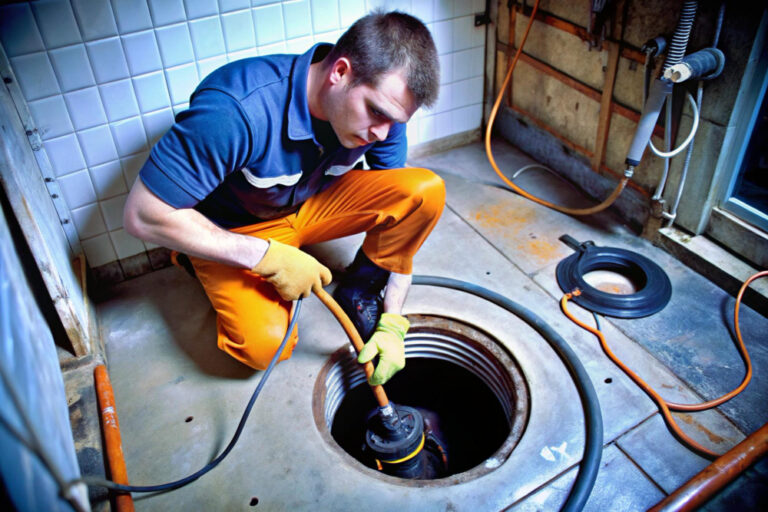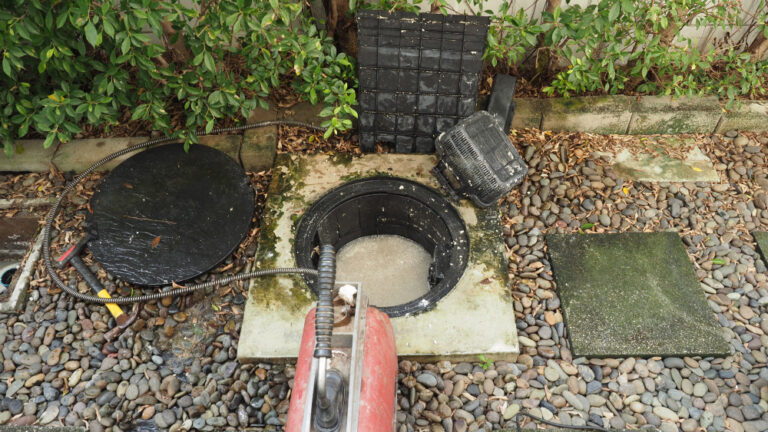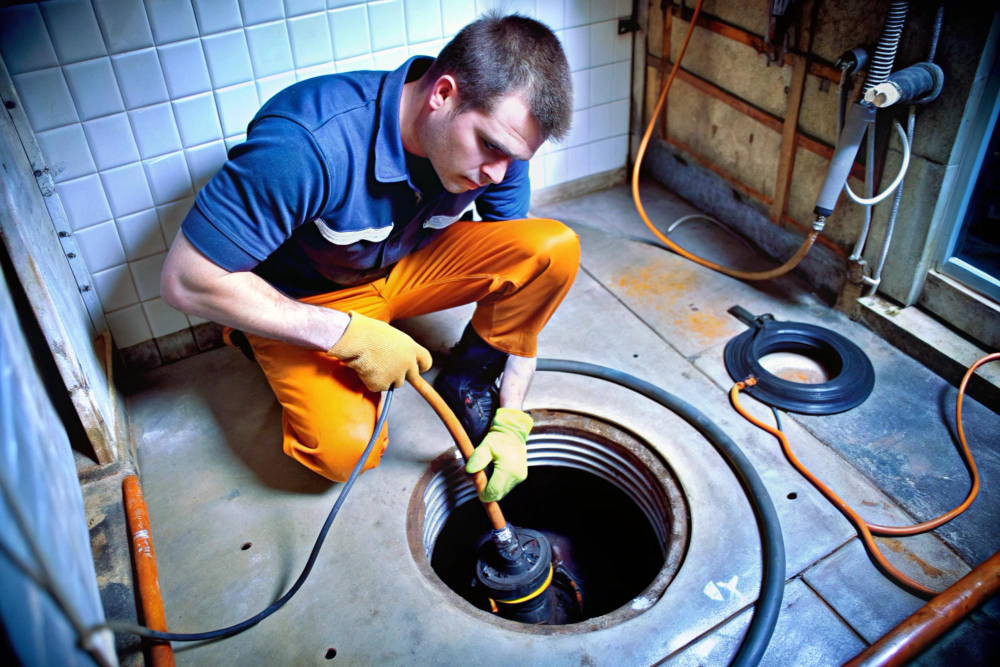
If your business drains are gurgling, draining slow, or smelling bad, that’s your system telling you something is wrong. Ignoring it costs more than fixing it. At Liberty Drain, we handle commercial drain cleaning for restaurants, offices, and retail properties across the area, and we know exactly what to look for before a small clog becomes a shutdown.
Running a business is hard enough without a flooded kitchen or a backed-up restroom during rush hour. Let’s walk through the warning signs and what we do to keep your operation running smoothly.
Slow Draining Sinks and Floor Drains Signal a Building Blockage
Slow drainage is usually the first sign that grease, debris, or mineral buildup is narrowing your pipes. If water pools around floor drains or takes longer than usual to clear from sinks, a blockage is forming somewhere in the line. This doesn’t fix itself, and it typically gets worse week by week.
Restaurants see this most often in kitchen drains, where grease builds up along pipe walls over time. Offices and retail spaces see it in restrooms, where paper products and mineral scale slowly reduce flow. Either way, our commercial drain cleaning service clears the line before it becomes a full stoppage.
Recurring Clogs Mean the Root Cause Hasn’t Been Fixed Yet
If the same drain keeps clogging every few weeks, something deeper is going on. A quick plunge or store-bought solution might clear the surface, but it rarely addresses what’s actually blocking the pipe further down. Recurring clogs usually point to grease buildup, root intrusion, or a partial pipe collapse.
We use camera inspection to see exactly what’s happening inside your pipes before we recommend a fix. This lets us target the real problem instead of guessing. Once we know the cause, our team applies the right method, whether that’s hydro jetting or targeted line clearing, so the clog doesn’t come right back.
Foul Odors Near Drains Indicate Trapped Waste or Sewer Gas
A persistent bad smell near a drain is rarely just “the pipes.” It usually means organic waste is trapped and decomposing inside the line, or sewer gas is escaping because of a dry trap or a crack somewhere in the system. Either way, customers and employees notice, and it reflects poorly on your business.
Trapped organic waste in drain lines is a common source of methane and hydrogen sulfide gas buildup, which produces the sulfur smell many business owners describe as “rotten eggs.” Our drain maintenance services clear out trapped waste and identify any structural issues causing gas leaks, so the smell doesn’t come back.
Multiple Drains Backing Up at Once Points to a Main Line Problem
When more than one drain backs up at the same time, the issue usually isn’t isolated to a single fixture. It’s often the main line serving your building. This is a bigger problem, and it needs fast attention because it can shut down an entire floor or kitchen.
We treat multiple simultaneous backups as a priority call. Our team arrives with the diagnostic tools to trace the issue back to its source, whether that’s grease accumulation, root intrusion, or a collapsed section of pipe. We aim to get your business drain cleaning handled the same day, because we know every hour of downtime costs you money.
Water Pooling Around Floor Drains or Exterior Grates
Standing water around a floor drain, loading dock grate, or exterior drain almost always means the line downstream is blocked or damaged. This is especially common in restaurants and warehouses where grease, debris, and heavy usage put extra strain on the system. Left alone, pooling water becomes a slip hazard and a code violation risk.
Our commercial plumbing services include full diagnostics for exterior and interior drainage systems, so we catch these issues before an inspector does. We check grade, flow, and blockages, then clear the line completely instead of offering a temporary patch.
How Often Should Commercial Properties Schedule Drain Maintenance
Most commercial kitchens benefit from drain maintenance every 3 to 6 months, depending on volume and grease output. Offices and retail spaces with lower usage can typically go 6 to 12 months between service visits. Waiting until a clog forms almost always costs more than a scheduled cleaning.
We build maintenance plans around how your business actually operates. A high-volume restaurant needs a different schedule than a small retail shop, and we adjust based on what we see during inspection. Regular commercial drain cleaning keeps your system reliable and helps you avoid the kind of emergency that shuts down service.
Why Businesses Choose Liberty Drain for Commercial Drain Cleaning
We show up on time, we diagnose accurately, and we fix the actual problem instead of masking it for a few weeks. Our team works around your operating hours whenever possible, because we understand a closed kitchen or a locked restroom costs you customers. Same day service is available for urgent situations, because drainage problems rarely wait for a convenient time.
If you’ve noticed any of the signs above, don’t wait for a full backup to call us. Reach out to Liberty Drain and let’s get your drains flowing the way they should.
Frequently Asked Questions
How much does commercial drain cleaning typically cost?
The cost really depends on a few things: how big the property is, how bad the clog is, and what kind of method is needed to fix it. A simple clog is going to cost a lot less than something that requires hydro jetting or a camera inspection. At Liberty Drain, we diagnose the problem first and give you an upfront estimate, so you always know what you’re paying before any work starts.
What’s the difference between hydro jetting and snaking a drain?
Snaking is the more traditional method. It uses a cable to break up or pull out a clog in one specific spot. Hydro jetting works differently. It blasts high pressure water through the pipe to scrub the entire interior clean, not just the blocked area. That’s why hydro jetting tends to work better for grease heavy or recurring clogs in commercial settings. It clears out buildup along the whole pipe, not just the trouble spot.
Can grease traps prevent commercial drain clogs in restaurants?
Yes, to a large degree. A properly functioning grease trap catches fat, oil, and grease before they make it into your drain lines, which cuts down on clogs significantly. The catch is that the trap itself needs regular cleaning. Once it’s full, grease just flows right through it like it’s not even there. For the best results, pair a well maintained grease trap with a routine drain cleaning schedule.
How fast can a commercial drain cleaning company respond to emergencies?
This varies from provider to provider, but any commercial plumbing service worth hiring should be able to offer same day response when you’ve got an active backup. At Liberty Drain, we treat urgent commercial calls as a priority because we know every hour of downtime costs you money. Getting there fast is often what keeps a small, contained issue from turning into a bigger mess involving multiple fixtures or damaged flooring.
Do commercial properties need different drain cleaning methods than homes?
Definitely. Commercial buildings deal with much higher water volume, more grease, and larger pipe diameters than a typical house, so they need stronger equipment and more frequent servicing. This is especially true for restaurants and industrial facilities, where residential tools just aren’t built to handle that kind of waste. That’s when commercial grade solutions like hydro jetting really come into play.