Your kitchen sink drains a little slower than it used to. Maybe there is a faint smell you cannot place. You flush it with hot water; it seems fine for a day, and then the problem comes back.
That pattern usually points to one thing: grease buildup in drains. It is one of the most common causes of kitchen clogs in American homes, and it is also one of the easiest to prevent once you know how it works.
This guide explains what grease in your drain really is, why it keeps coming back, how to clean it safely, and what to do if it is too far gone for a DIY fix.
Quick Answer: What Causes Grease Buildup in Drains?
Grease buildup happens when cooking fats, oils, and greasy food residue go down the drain as a liquid, then cool and harden on the inside of your pipes. Soap scum, food bits, and hair stick to that layer, and over time it narrows the pipe until water cannot pass. Pouring grease down the sink, even with hot water, is the number one cause.
What Is Grease Buildup in Drains?
Grease buildup is a sticky, waxy layer that forms along the walls of your drain pipes. Plumbers often call it FOG, which stands for fats, oils, and grease.
It does not show up all at once. A little coats the pipe with every greasy dish you wash. Then it grabs onto whatever else comes down the drain. Coffee grounds, rice, pasta, eggshell bits, and soap residue all stick to it. Layer by layer, it turns into a thick, stubborn lining.
Many homeowners are surprised by where it comes from. It is not only bacon fat and cooking oil. Butter, salad dressing, gravy, mayonnaise, peanut butter, and even greasy dishwater all count.
Why Does My Drain Have Grease Buildup?
If you are asking why your drain has grease buildup, here are the most common reasons.
- Grease went down the drain as a liquid
Hot grease flows easily, so it feels harmless. But once it travels a few feet into your cooler pipes, it cools and sticks to the walls.
- Hot water and dish soap pushed it deeper
Soap helps break grease into smaller droplets, and hot water carries them along. That moves the problem down the line. It does not remove it.
- Your garbage disposal gave a false sense of safety
A disposal grinds up food, but it does nothing about grease. Ground-up scraps mixed with grease actually build up faster.
- Your pipes are older or rough inside
Cast iron and older pipes often have scale and rough spots. Grease grabs onto rough surfaces much more easily than smooth ones.
- Small habits add up
Rinsing a greasy pan once will not cause a clog. Doing it a few times a week for years will.
Signs You Have Grease in Your Drain
Grease buildup is sneaky, so watch for these early warning signs:
- Sinks that drain slowly, especially the kitchen sink
- Gurgling sounds from the pipes
- A sour, rancid, or musty smell coming from the drain
- Water backing up into the dishwasher or a second sink
- Clogs that clear for a few days and then return
- Standing water that looks cloudy or has a greasy film
If you notice more than one of these, the buildup is likely past the surface. It has probably settled deeper into the line.
Why Grease in Your Drain Is a Bigger Problem Than It Looks
A slow sink feels like a small annoyance. But grease does not stay small.
As the lining thickens, the pipe gets narrower. Narrow pipes catch more debris, which narrows them further. Eventually you get a full blockage, and it often shows up at the worst time, like during a holiday dinner or when guests are over.
Grease also does not stay inside your home. When it travels into the main sewer line, it can combine with wipes and other debris and form large, hard masses.
Cities across the country spend a lot of money clearing these out of public sewers. On a private property, a grease blockage in the main line can lead to sewage backing up into the house, which is both messy and costly to fix.
Acting early is almost always cheaper and easier.
How to Clean Grease Buildup from a Drain (Safe DIY Steps)
If your drain is only a little slow, you can try these steps first. They work best on light, recent buildup near the surface.
Step 1: Remove what you can see
Take out the stopper or strainer and clear any visible gunk with gloves and a paper towel.
Step 2: Flush with hot water
Run very hot tap water for a minute or two. Do not use boiling water on PVC pipes, because it can soften joints. Hot tap water is enough.
Step 3: Add dish soap and hot water
Squeeze a good amount of grease-cutting dish soap into the drain. Follow it with a slow flow of hot water for several minutes. This can loosen thin layers of grease.
Step 4: Try baking soda and vinegar
Pour half a cup of baking soda into the drain, then half a cup of white vinegar. Let it fizz for 15 to 30 minutes, then flush with hot water. This is a mild method, so do not expect miracles on heavy buildup.
Step 5: Use a bio-enzymatic cleaner
These products use natural enzymes to break down grease over time. They are gentler on pipes than harsh chemicals. Follow the label and use them regularly for best results.
Step 6: Use a small hand drain snake
A basic plastic drain strip or hand snake can pull out clumps near the trap. Go slowly so you do not scratch or damage the pipe.
What Not to Do When Cleaning Grease Buildup
Some popular fixes cause more harm than good.
Skip harsh chemical drain openers
Strong chemicals can damage pipes, hurt your skin and eyes, and are dangerous if they sit in a clogged drain. They also often punch a small hole through the clog without removing the grease lining.
Do not mix cleaning products
Mixing chemicals can create toxic fumes.
Do not keep repeating the same fix
If the clog returns within days, the buildup is deeper than a home remedy can reach.
Do not force a power tool into old pipes
You can crack or scrape them.
How to Prevent Grease Buildup in Drains
Prevention is simple, and it costs almost nothing. These habits make the biggest difference.
- Never pour grease down the sink
Let cooking fats cool, then pour them into a sealed can or old jar and put it in the trash.
- Wipe greasy pans before washing
A quick paper towel wipe removes most of the grease before it reaches the drain.
- Scrape plates into the trash or compost
Food scraps carry grease with them.
- Use a sink strainer
A cheap mesh strainer catches food bits that would otherwise stick to the grease layer.
- Run hot water after washing dishes
Give the drain 30 seconds of hot water to push the day’s residue along.
- Do a monthly maintenance flush
Once a month, use a bio-enzymatic cleaner or a hot water and dish soap flush to keep the lining thin.
- Teach everyone in the house
One person’s habits can undo everyone else’s effort. A small note near the sink helps.
- Schedule professional cleaning if you cook a lot
Big families, frequent entertainers, and anyone who fries often should consider a yearly cleaning and camera check.
When to Call a Professional for Grease in Your Drain
Home methods have limits. It is time to call a pro if:
- The drain is still slow after a few tries
- The clog keeps coming back
- More than one fixture is draining slowly
- You smell sewage or see water backing up
- You live in an older home with cast iron or aging pipes
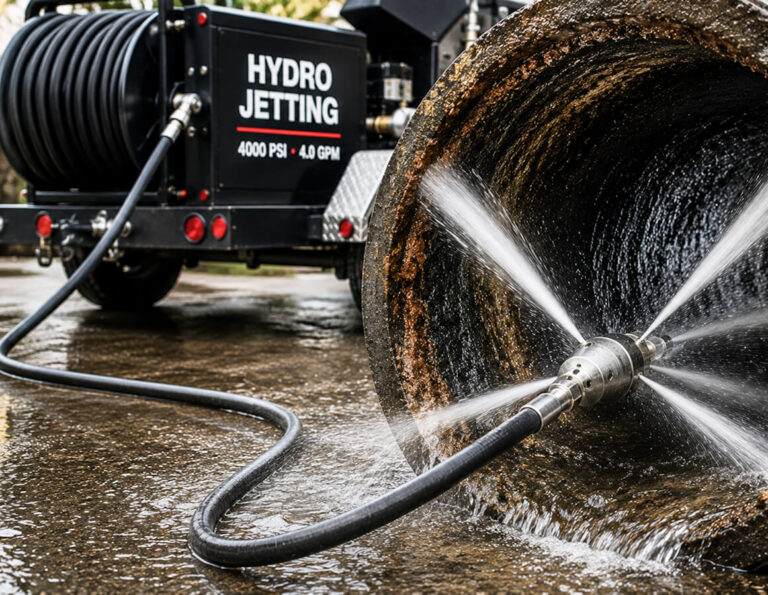
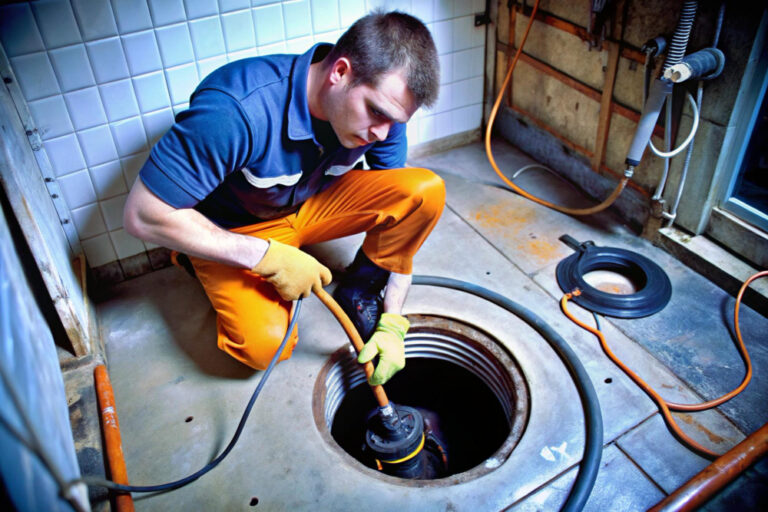
A professional can see what is actually inside the line with a drain camera, then pick the right method. For heavy grease, hydro jetting uses high-pressure water to scrub the inside of the pipe.
Advanced flex shaft tools can also remove hard, built-up layers from pipe walls. The goal is to clean the whole pipe, not just poke a hole through the middle.
About Liberty Drain: Westchester’s Local Drain Experts
Liberty Drain is a locally owned drain and sewer company based at 313 Halstead Ave in Mamaroneck, NY. We have served homeowners and businesses across Westchester County since 2012, and more than 400 customers have shared their experience in Google reviews.
Here is how we handle grease buildup:
We find the cause first: Our technicians use HD camera inspections so we can see the buildup instead of guessing.
We match the method to the problem: Depending on what we find, that may mean drain cleaning, hydro jetting, or flex shaft cleaning that restores smooth pipe walls.
We quote the price before we start: Our pricing is upfront, so there are no surprises once the work begins.
We stand behind the work: Our team is insured and background-checked, and our services come with a warranty.
We teach you how to avoid a repeat: Every visit ends with a flow test and simple prevention tips tailored to your home.
Honest advice is part of the job. If a simple habit change will solve your problem, we will tell you. If it needs professional cleaning, we will show you why.
Drain Clear Near Me: Help for Westchester Homeowners
If you have searched for “drain clear near me” because your kitchen sink is backing up, Liberty Drain serves all of Westchester County, NY. That includes Mamaroneck, White Plains, Scarsdale, New Rochelle, Yonkers, Larchmont, Rye, Harrison, Bronxville, Tarrytown, and many other nearby towns.
We offer same-day service for most calls, and urgent situations like active backups get priority. Our office hours are Monday to Friday, 8am to 4pm.
Call (888) 578-2240 or request a free estimate today. You can also learn more about our kitchen drain cleaning, hydro jetting, and camera inspection services.
Final Thoughts
Grease buildup in drains builds slowly, but the fix is simple. Keep fats out of the sink, use a strainer, flush with hot water, and watch for early warning signs.
When the problem goes beyond what home methods can handle, a professional cleaning gets your pipes back to normal and helps prevent a bigger repair later.
If your drain is slow, smelly, or backing up in Westchester County, Liberty Drain is ready to help. Call (888) 578-2240 and get honest answers, upfront pricing, and lasting results.
Frequently Asked Questions
1. Can hot water dissolve grease buildup in a drain?
Not really. Hot water can melt grease for a moment, but the grease cools again further down the pipe and hardens. Hot water works as part of routine maintenance, but it will not remove an established layer of grease buildup.
2. How do I know if the grease in my drain is too serious for DIY cleaning?
The main clues are repeat clogs, slow drains in more than one fixture, bad smells, and water backing up. If a home remedy only works for a day or two, the grease has likely built up deeper in the pipe. A camera inspection can confirm how bad it is and which cleaning method makes sense.
3. How often should I have grease cleaned from my drains?
It depends on how much you cook and how old your pipes are. Many homes do well with a professional cleaning every one to two years. Busy kitchens, older plumbing, or a history of clogs may need it more often. A camera check helps decide the right schedule.