If your sink’s been draining slow, or your toilet keeps backing up on you, chances are you’ve already searched “hydro jetting vs drain snaking” trying to figure out which one you actually need. We get asked this all the time at Liberty Drain, and honestly, there’s no single right answer that fits every situation. It really comes down to what’s clogging your pipes in the first place and how bad the buildup actually is.
We’ve been clearing drains and sewer lines around Westchester, NY since 2012, so at this point we’ve pretty much seen every type of clog there is. Let’s break down both methods in plain language so you can figure out what actually makes sense for your home or business.
What Is Drain Snaking and How Does It Clear Clogs?
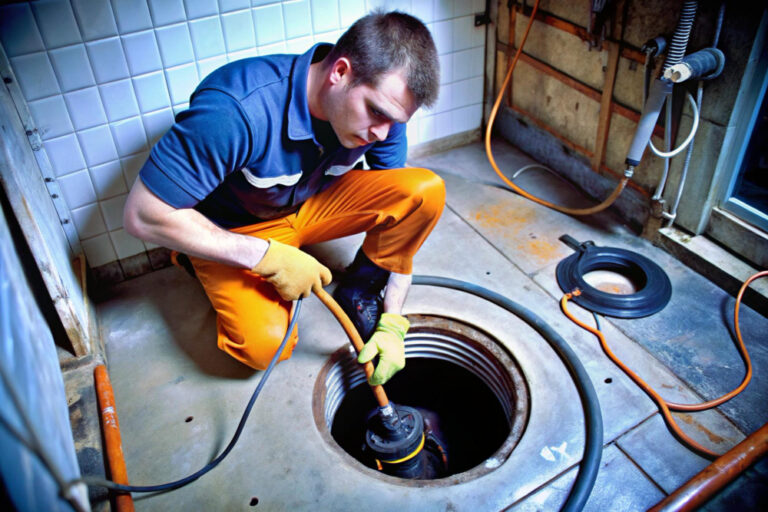
Drain snaking uses a flexible metal cable with a cutting head on the end. A technician feeds this cable into your pipe, and it either breaks apart the clog or hooks it and pulls it out.
It’s fast. It’s affordable. And for a lot of everyday clogs, like a hair tangle in your shower drain or a small object stuck in a toilet, snaking gets the job done quickly. We keep this tool in our trucks because it solves probably half the service calls we run.
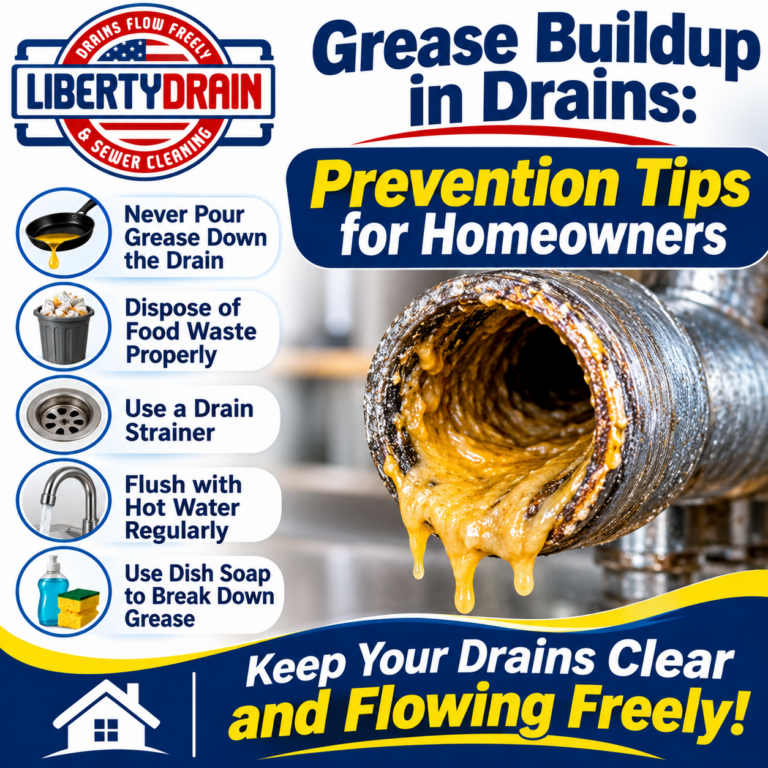
The downside is that snaking mostly punches a hole through the clog rather than fully cleaning the pipe walls. Think of it like poking a straw through a milkshake. The path opens up, but the sides of the pipe can still be coated with grease or grime.
What Is Hydro Jetting and How Does It Clean Pipes?
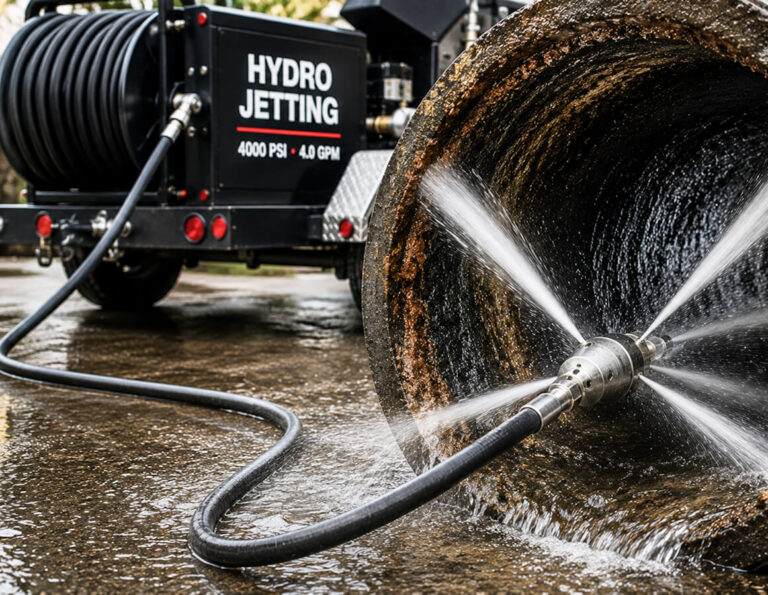
Hydro jetting drain cleaning uses a high-pressure water stream, sometimes up to 4,000 PSI, to blast through buildup and scour the entire inside of your pipe. It doesn’t just create a path. It cleans the whole diameter, top to bottom.
This matters a lot for older homes in Westchester with cast iron or clay pipes that have decades of grease, mineral scale, or root intrusion built up inside them. A jetting service can restore your pipe close to its original flow capacity.
Because it’s more thorough, hydro jetting tends to keep drains clear for longer stretches between cleanings. Many of our repeat customers switch to jetting once they get tired of snaking the same clog every few months.
Hydro Jetting vs Drain Snaking: Key Differences You Should Know
Here’s the short version of hydro jetting vs drain snaking, based on what we see in the field every week.
Snaking is quick, cheaper upfront, and works well for isolated blockages. Jetting takes a bit longer, costs more per visit, but it clears grease, scale, and root intrusion far more completely. Snaking can leave residue behind. Jetting scrubs the pipe walls clean.
If you’re dealing with a one-time clog from a foreign object or hair, snaking is often all you need. If you’ve got recurring backups, slow drains across multiple fixtures, or a grease-heavy kitchen line, jetting solves the root cause instead of just treating the symptom.
When Should You Choose Drain Snaking Over Hydro Jetting?
Snaking makes sense for smaller, simpler problems. We usually recommend it when:
- The clog is isolated to one fixture, like a single sink or shower
- You’ve never had drain trouble in that spot before
- The pipe is older or fragile and might not handle high water pressure well
- You need a same-day fix on a tight budget
A drain snaking service is also a reasonable first step before jumping straight to jetting, especially if we’re not sure yet what’s causing the blockage.
When Does Hydro Jetting Work Better Than Snaking?
Jetting is the better call when the problem runs deeper than a single clog. We lean toward hydro jetting when:
- You’ve had the same drain clog more than once in a year
- There’s grease buildup in a restaurant or commercial kitchen line
- Tree roots have grown into your sewer line
- Multiple drains in the house are slow at the same time
- A camera inspection shows heavy scale or sludge coating the pipe
For property managers and small business owners, jetting is often the smarter long-term investment. It reduces emergency calls and protects your plumbing system from repeat damage.
How Much Does Each Drain Cleaning Method Cost?
Drain snaking is usually the more budget-friendly option since it takes less time and simpler equipment. Hydro jetting costs more per visit because it requires specialized machinery and a longer service window.
That said, we always tell our customers to think about cost over time, not just the invoice today. If snaking the same drain three times a year costs more in the long run than one thorough jetting service, hydro jetting actually saves you money.
We’ll always give you an honest read on which professional drain cleaning method fits your budget and your actual plumbing issue. We’re not going to push jetting on a simple clog just to upsell you.
Why Liberty Drain Recommends the Right Method for Your Pipes
We don’t believe in a one-size-fits-all approach. When you call us, we ask questions, we look at your plumbing history, and sometimes we run a camera inspection before recommending anything.
Our goal is simple. We want your drains working well for years, not just for the next few weeks. That’s why we’ve built our reputation in Westchester since 2012 on giving people the right fix the first time, whether that’s a quick snake job or a full hydro jetting service.
If you’re stuck choosing between hydro jetting vs drain snaking, just give us a call at (888) 578-2240. We’ll walk you through it over the phone and get someone out to take a look.
Frequently Asked Questions
Should I call a plumber or my landlord first if I’m renting?
If you’re renting, your landlord or property manager should be the first call, unless there’s active flooding or something that feels genuinely unsafe. They’re usually the ones who handle plumbing repairs and cover the costs anyway. That said, if it’s urgent, sewage backing up, water rising fast, call an emergency drain service right away and let your landlord know immediately after.
Can a clogged drain cause pipes to burst?
On its own, not really, a clogged drain rarely causes a pipe to burst. But pressure building up behind a bad blockage can put stress on pipe joints that are already weak or aging over time. If a pipe does end up cracking or leaking during a clog, it’s usually because it was already worn down to begin with, and emergency drain cleaning helps stop that stress from continuing to build.
How long can I wait before a slow drain becomes an emergency?
A slow drain can usually wait a day or two, as long as it’s just affecting one fixture and isn’t getting worse. But once it stops draining completely, starts smelling, or spreads to other drains around the house, that’s when it turns urgent, and it’s worth calling for emergency drain cleaning before it turns into something bigger.
Is it safe to use a plunger on a toilet that’s about to overflow?
Plunging a toilet that’s already close to overflowing can actually make things worse, since the forceful pressure might push water and waste right onto the floor instead of clearing anything. It’s safer to just let the water level settle first, avoid flushing again, and call a plumber if the bowl stays full or keeps rising on its own.
Why does my basement drain back up during heavy rain?
Basement drains tend to back up during heavy rain because the main sewer line gets overwhelmed, or there’s a blockage trapping water with nowhere left to go. This often ties back to tree root intrusion or pipes that are just getting old, and it’s usually the kind of thing that needs a professional inspection rather than a quick fix you can handle yourself.