Water backing up into your sink at 9pm is not a fun way to spend an evening. If you’re standing there right now wondering what to do, take a breath. Most emergency drain situations can be managed for a short while if you know the right steps.
We’ve handled emergency drain cleaning calls across Westchester, NY since 2012, and we know those first ten minutes matter. Here’s exactly what to do before we get to your door.
Turn Off the Water Source Immediately
Your first move should always be stopping more water from entering the clogged line. If it’s a toilet, turn the shutoff valve behind the base clockwise until it stops. If it’s a sink, shut the valve underneath the cabinet.
Don’t run the dishwasher or washing machine if they share a drain line with the backed-up fixture. Adding more water only pushes the problem further and increases the mess you’ll be cleaning up.
Identify Where the Blockage Is Located
Figuring out which drain is actually affected helps our technician diagnose the problem faster once they get there. Check whether it’s just one fixture backing up, or if multiple drains across the house are acting up at the same time.
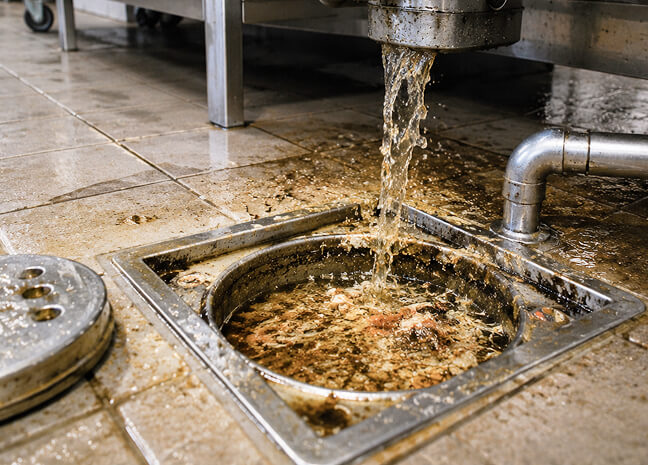
One slow drain usually points to a localized clog, nothing too serious. But if multiple fixtures are backing up together, especially the lowest drain in the house, like a basement floor drain, that often signals a main sewer line blockage instead. That’s a bigger deal, and it needs quick professional attention rather than waiting around.
Protect Your Home from Water Damage
While you’re waiting for help to arrive, put down towels, buckets, or grab a wet vac near the affected area if you’ve got one. If water’s already pooling on the floor, move any electronics, rugs, or furniture out of the way as soon as you can.
For basement backups especially, this step matters even more than usual. Sewage backup can carry bacteria, so keep kids and pets away from the area until it’s been fully cleared and cleaned up.
What to Do for a Clogged Drain Without Making It Worse
Avoid pouring chemical drain cleaners down an already backed-up drain. They often sit in standing water without reaching the clog, and they can create dangerous fumes if mixed with other substances already in the pipe.
Skip the plunger too if the water is close to overflowing, since aggressive plunging can push waste back up rather than clear it. A gentle attempt is fine on a slow sink, but stop if nothing improves after a try or two.
Signs You Need an Emergency Plumber for Blocked Drains
Not every clog counts as a true emergency. Here’s when calling right away makes sense:
- Water is backing up from multiple drains at once
- Sewage smell is present near a drain or basement floor
- Water won’t stop rising in a toilet after flushing
- A commercial kitchen drain is blocked during business hours
- Standing water is spreading toward electrical outlets or appliances
If any of these match your situation, call an emergency plumber for blocked drains instead of trying to wait it out overnight.
Keep Everyone Safe While You Wait
If there’s standing water anywhere near outlets, switches, or a water heater, avoid that area completely and turn off power to that section of the house if you can safely do so. Water and electricity together are dangerous.
Ventilate the space if you smell sewage, since those fumes shouldn’t build up in an enclosed room. Open a window if you’re able to.
How Liberty Drain Handles Emergency Calls
We know emergencies don’t wait for business hours, and neither do we. When you call us for emergency drain cleaning, we ask a few quick questions to understand what’s happening, then get a technician moving toward you.
Our trucks carry both cable equipment and jetting tools, so whether it’s a fast, isolated clog or something bigger further down the line, we’re prepared to handle it on the first visit. We’ve built our name in Westchester since 2012 on showing up when people actually need us, not just during convenient daytime slots.
If you’re dealing with a backup right now, call us at (888) 578-2240. We’ll talk you through the next steps while help is on the way.
Frequently Asked Questions
Should I call a plumber or my landlord first if I’m renting?
If you’re renting, contact your landlord or property manager first unless there’s active flooding or a safety risk, since they typically handle plumbing repairs and costs. If the situation is urgent, such as sewage backing up or rising water, call an emergency drain service immediately and inform your landlord right after.
Can a clogged drain cause pipes to burst?
A clogged drain rarely causes pipes to burst on its own, but pressure buildup behind a severe blockage can stress weak or aging pipe joints over time. If a pipe does crack or leak during a clog, it’s usually because it was already worn down, and emergency drain cleaning helps prevent that stress from continuing.
How long can I wait before a slow drain becomes an emergency?
A slow drain can often wait a day or two if it’s isolated to one fixture and not worsening. Once it stops draining completely, starts smelling, or spreads to other drains in the house, treat it as urgent and call for emergency drain cleaning before it leads to bigger damage.
Is it safe to use a plunger on a toilet that’s about to overflow?
Plunging an almost-overflowing toilet can be risky since forceful pressure may push water and waste onto the floor instead of clearing the clog. It’s safer to let the water level settle first, avoid additional flushes, and call a plumber if the bowl stays full or keeps rising.
Why does my basement drain back up during heavy rain?
Basement drains often back up during heavy rain because the main sewer line becomes overwhelmed or a blockage traps water with nowhere to go. This is frequently linked to tree root intrusion or aging pipes, and it usually calls for a professional inspection rather than a quick home fix.