If sewage is backing up into your home right now, stop using water in every drain and call a professional immediately. Every extra flush or load of laundry adds more wastewater to a system that’s already overwhelmed. An emergency sewer backup gets worse fast, so quick action matters more than anything else in this guide.
We’re Liberty Drain and Sewer Inc., and we’ve responded to countless emergency calls across Westchester County. We know how stressful this moment feels. This guide walks you through what causes sewer backups, what to do right now, and how to prevent the next one.
What Causes an Emergency Sewer Backup in Your Home?
Blocked sewer lines are the number one culprit, usually thanks to grease buildup, flushed wipes, or just years of debris slowly collecting inside the pipe. Once that blockage gets bad enough, the wastewater has nowhere left to go except back up through your lowest drains, which is often a basement floor drain or a toilet on the ground floor.
Tree root intrusion is another big one, especially in older Westchester County neighborhoods where the trees have had decades to mature. Roots naturally go looking for moisture, and over time they can crack right into sewer pipes, creating blockages that only get worse year after year. Heavy rainfall plays a role too, since it can overwhelm municipal sewer systems and force wastewater back into homes through something called backflow.
What Should You Do Immediately During a Sewer Backup?
Stop using all water in your home right away. That means no flushing, no dishwasher, no laundry, and no showers until the blockage clears. Adding more water only pushes sewage further into your home and increases the damage.
Turn off electricity to any affected areas if it’s safe to do so, since standing water and electrical outlets are a dangerous combination. Keep children and pets away from the contaminated area, as raw sewage carries bacteria that pose real health risks. Call an emergency plumbing service immediately rather than attempting to clear a sewer line blockage yourself.
How Do Professionals Diagnose the Cause of a Sewer Backup?
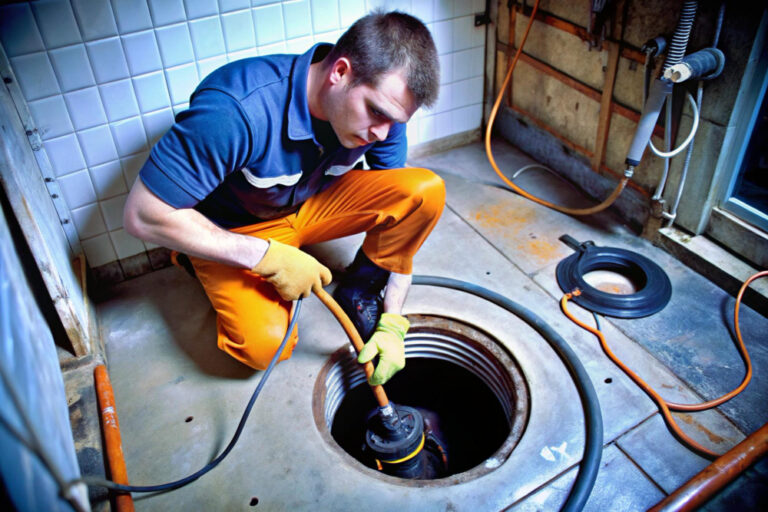
Sewer camera inspection is by far the fastest and most accurate way to figure out what’s going on. A small waterproof camera makes its way through your pipes and shows exactly where the blockage sits, what’s causing it, and how bad the damage actually is. That takes the guesswork out of the equation and keeps us from digging up your yard for no reason.
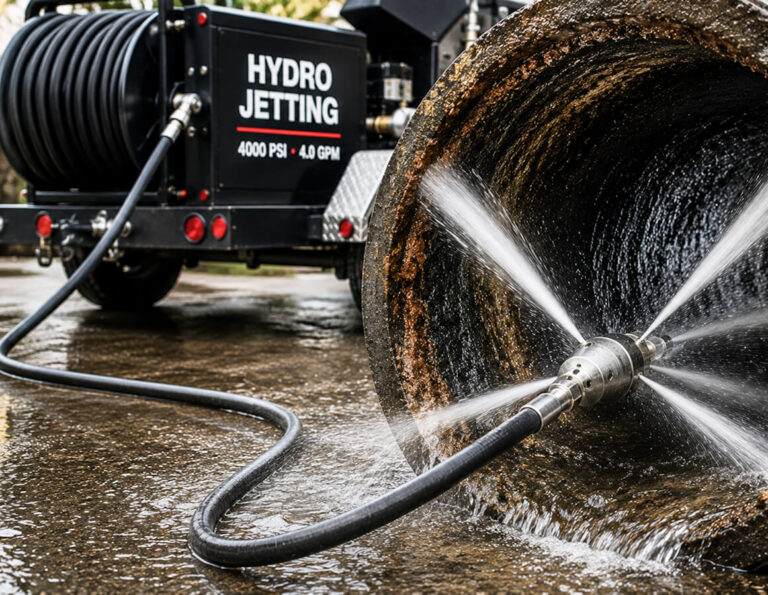
Once we know what’s causing it, whether that’s tree root intrusion, a collapsed pipe, or debris that’s built up over time, we pick the right fix for the situation. A minor blockage might just need snaking. Severe cases often call for hydro jetting, which clears out the entire pipe using high pressure water instead of just punching a hole through the clog.
How Fast Should Emergency Sewer Cleaning Response Be?
Response time matters a lot when you’re dealing with a sewer backup, since every hour that passes adds more water damage and drives cleanup costs higher. A same-day response, or ideally within the hour, keeps the sewage from spreading further into your home. Waiting even a single day can turn what would’ve been a manageable cleanup into a major renovation.
We keep our team on call specifically for emergency sewer backup situations, because these things simply can’t wait around for regular business hours. Responding fast also cuts down the risk of structural damage to floors, walls, and foundations. The sooner that blockage clears, the less permanent damage your property ends up with.
What Does Sewer Backup Cleanup and Repair Involve?
Cleanup starts by removing the standing wastewater and sanitizing the affected area to get rid of bacteria and the lingering smell. Anything that absorbed sewage, like carpet or drywall, usually can’t just be cleaned, it needs to be removed and replaced. This step protects your family’s health just as much as it protects your property.
What repair looks like depends entirely on what caused the backup in the first place. A simple blockage might just need drain backup clearing along with a camera inspection to confirm the pipe’s clear. But if there’s structural damage from tree root intrusion or a collapsed sewer line, you might be looking at pipe replacement or trenchless repair methods, which avoid tearing up your whole yard in the process.
Why Trust Liberty Drain and Sewer Inc. With Your Sewer Emergency?
We treat every emergency sewer backup call as the urgent situation it actually is. Our technicians arrive equipped with camera inspection tools, hydro jetting equipment, and years of hands-on experience across Westchester County homes and businesses. We diagnose the real cause instead of applying a temporary fix that fails again in a few months.
Property damage prevention drives everything we do during an emergency call. We work quickly to stop the backup, clean the affected area safely, and repair the underlying issue so it doesn’t happen again. Homeowners in Mamaroneck, Mt. Vernon, and Yonkers call us because we show up fast and explain every step in plain language.
How Can You Prevent Future Sewer Backups?
Scheduling a yearly sewer camera inspection catches small cracks or early tree root intrusion before they become full blockages. This kind of preventive maintenance costs far less than emergency cleanup and repair. Older homes especially benefit from checking their sewer line condition every year rather than waiting for a problem to appear.
Simple daily habits also make a real difference. Never flush wipes, paper towels, or grease down your drains, even if the label says flushable. Installing a backflow prevention valve adds an extra layer of protection against municipal sewer overflow during heavy storms, which is common across parts of Westchester County.
If sewage is backing up into your home, don’t wait for it to get worse. Reach out now for emergency sewer backup services and get a team on the way.
Frequently Asked Questions
What’s the difference between a drain backup and a sewer backup?
A drain backup usually affects just one fixture, like a single slow sink or tub, and it’s often got a simple, localized cause. A sewer backup is different, it hits multiple drains at once, often including your lowest fixtures like a basement drain, which points to a blockage in the main sewer line serving your entire home.
Can heavy rain alone cause a sewer backup without any pipe damage?
It can, yes. Heavy rainfall can overwhelm municipal sewer systems even when your home’s own pipes are in perfectly good shape. When the public sewer system fills up faster than it can drain, wastewater can actually flow backward into homes through connected pipes, something known as backflow, and this tends to happen more often in older neighborhoods with combined storm and sewer lines.
Is it safe to clean up sewage backup myself before professionals arrive?
It’s fine to stay away from the area and shut off water usage in the meantime, but the actual cleanup should wait for professionals. Raw sewage carries bacteria and pathogens that pose real health risks if you don’t have the right protective equipment. Professional cleanup also makes sure contaminated materials get properly identified, removed, and sanitized, which prevents mold or lingering odor problems down the road.
How much does emergency sewer backup repair typically cost?
Costs can vary quite a bit depending on what caused it and how severe it is, anywhere from a few hundred dollars for a simple blockage up to several thousand for pipe replacement or trenchless sewer line repair. A camera inspection during that first visit helps pin down the exact scope of the problem, so you get an accurate estimate before any repair work even starts.
Will my homeowner’s insurance cover sewer backup damage?
Most standard homeowners insurance policies leave sewer backup damage out unless you’ve specifically added sewer backup coverage as a rider. That optional coverage usually only costs a small amount each year and can end up saving you thousands in cleanup and repair costs if you ever need it. It’s worth checking with your insurance provider directly to confirm exactly what your current policy covers.